
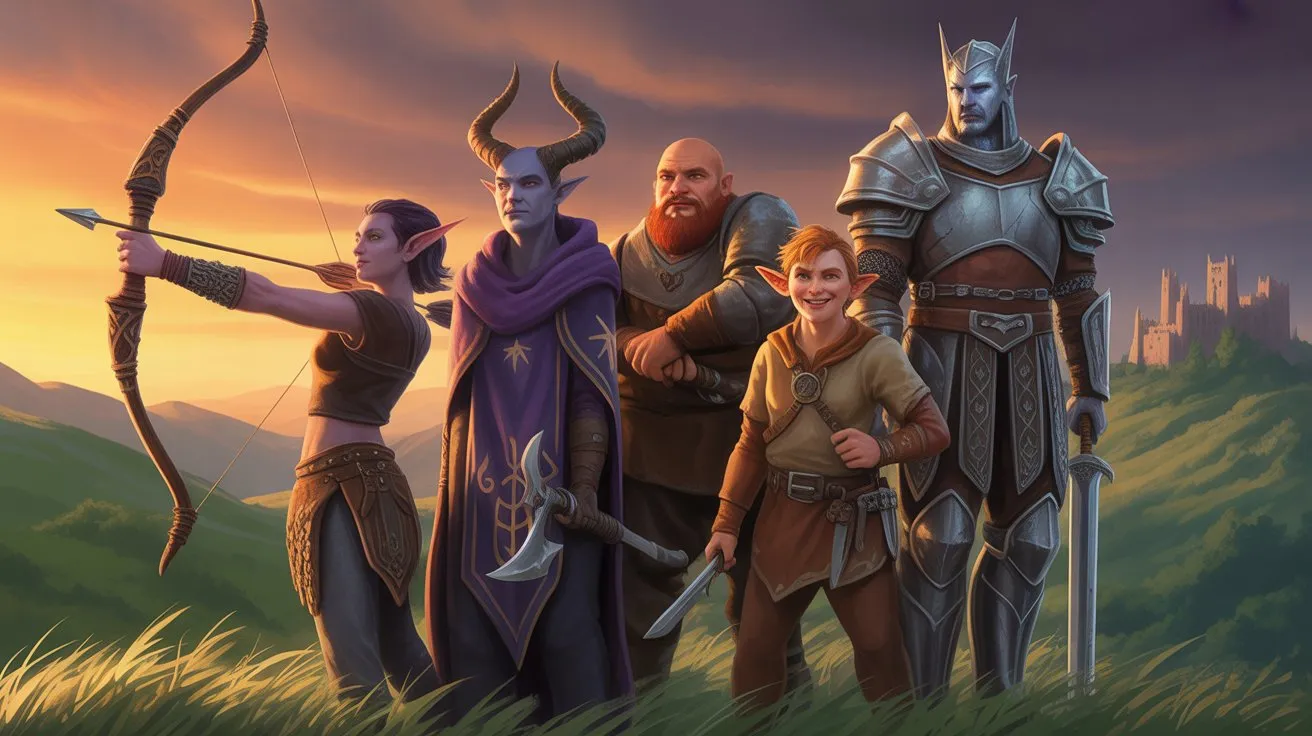
You just rolled a new character. Class picked. Stats are done. Backstory is written. Now comes the hardest part. The name.
You stare at the blank space on your character sheet. Nothing comes. Every name you think of sounds wrong. Too modern. Too silly. Too much like something from a bad fantasy novel.
I have been there more times than I can count. Seriously. I once spent an entire evening trying to name a dwarf fighter. He died in his first combat roll. That is when I realized I needed a better system.
You just rolled a new character. Class picked. Stats are done. Backstory is written. Now comes the hardest part. The name.
You stare at the blank space on your character sheet. Nothing comes. Every name you think of sounds wrong. Too modern. Too silly. Too much like something from a bad fantasy novel.
I have been there more times than I can count. Seriously. I once spent an entire evening trying to name a dwarf fighter. He died in his first combat roll. That is when I realized I needed a better system. So here is our D&D name guide to help you.
How D&D Naming Actually Works
Before I give you the name lists, let me explain something important.
D&D races are not just humans with pointy ears or short legs. Each race has its own culture, history, and language. And those things shape how they name their children.
An elf name sounds nothing like a dwarf name. A tiefling name follows completely different rules than a halfling name. Once you understand the patterns, you can create hundreds of names yourself. You do not need to memorize lists.
Here is the simple breakdown.
Elves love vowels and flowing sounds. Think rivers and wind. Their names feel ancient and graceful.
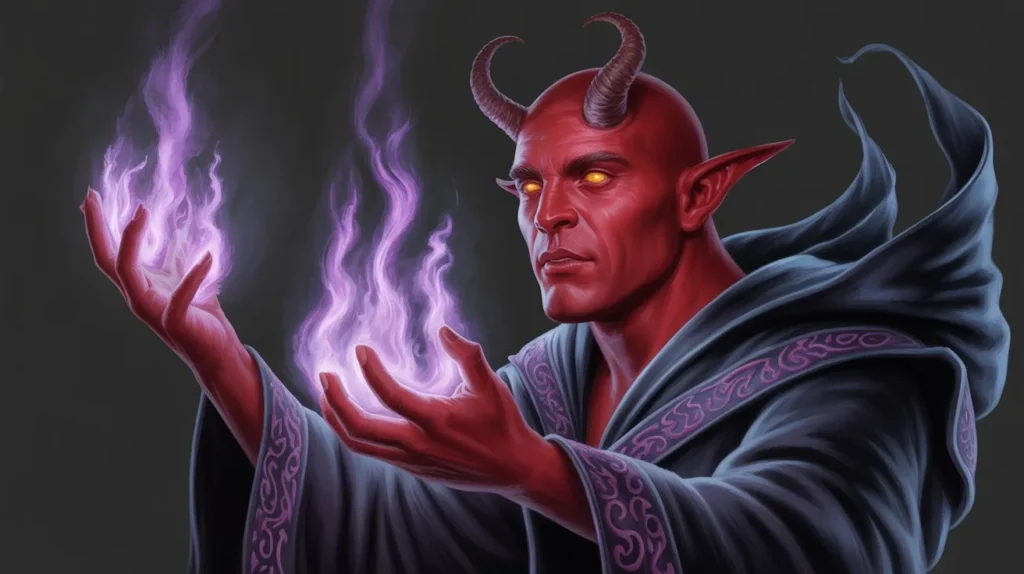
Tieflings follow a two-part system. A virtue name like Hope or Serenity, plus a harsh infernal name. The contrast is deliberate — light and dark together.
Dwarves keep things short and hard. One or two syllables. Lots of K, R, and D. Their names sound like they were carved from stone.
Halflings are the opposite. Light, friendly, often ending in a cheerful Y sound. Names you can say with a smile.
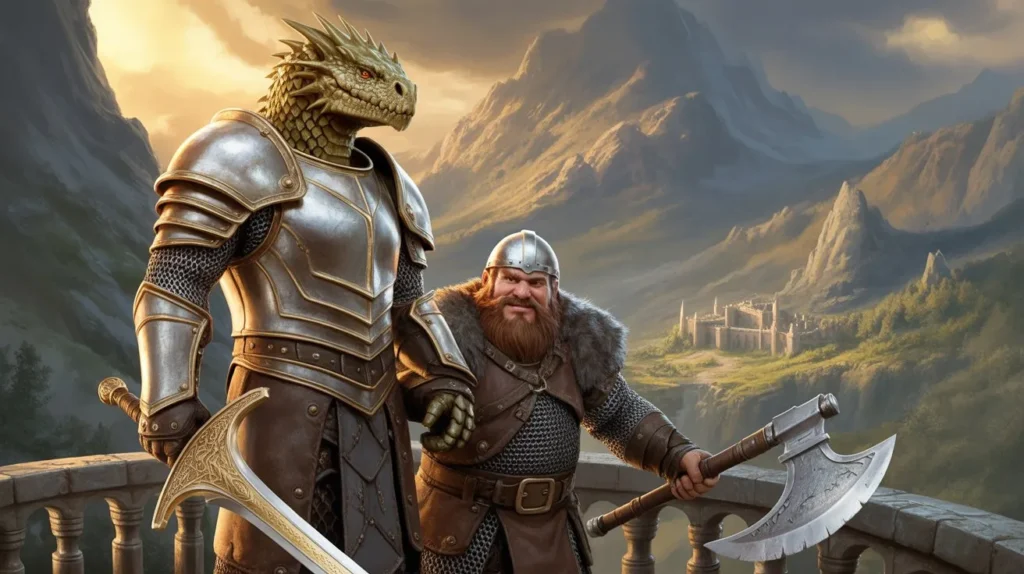
Dragonborn has the most structured system. A harsh first name plus a clan name that describes a trait. Brave. Loyal. Swift. The formula never changes.
Once you see these patterns, you will start noticing them everywhere. And you will never struggle to name a character again.
Now let me show you the names.
Elf Names — Musical and Elegant
Elf names are known for their flowing, melodic sound. They use lots of vowels — A, E, I, O, U — and soft consonants like L, R, N, and S. You will rarely find hard stops or harsh sounds in an elf name.
Common Elf Name Endings
The most common endings are -el, -ian, -ara, -iel, and -il. These endings make the name feel ancient and graceful. They suit wood elves, high elves, and dark elves alike, though each subrace has its own flavor.
Wood elf names tend to be shorter and more nature-focused. High elf names are longer and more formal. Dark elf names often include harder consonants like Z and X. The Forgotten Realms wiki has extensive lore on each elven subrace if you want to dive deeper. But the basic pattern stays the same.
20 Elf Names for Your Next Character
Here are 20 elf names to consider for your next character. I have mixed in some classic ones and some lesser-known options.
- Aerin
- Celeborn
- Elara
- Faelan
- Galadriel
- Haldir
- Iliana
- Jareth
- Kaelen
- Liriel
- Mithras
- Naelin
- Orophin
- Paeon
- Quiliana
- Riel
- Saelihn
- Thaelon
- Uriel
- Vaelan
If you want a name that feels lighter and quicker — like a rogue or ranger elf — try the shorter ones on this list. Aerin, Riel, and Haldir work well for that. For more names with that same quick energy, our Rogue Name Generator has plenty of options.
Tiefling Names — Virtues and Infernal Sounds
Tiefling names are unique in D&D. No other race names their children this way.
The Virtue Name + Infernal Name Pattern
Most tieflings are given a virtue name at birth. A word that represents something their parents hoped for them. Hope. Serenity. Justice. Patience. These virtue names are spoken in common. They are what the tiefling goes by in everyday life.
But they also have a “real name.” An infernal name that sounds harsh and ancient. These names use sharp consonants like K, X, Z, and V. Common endings include -ix, -us, -oth, and -ar. This name represents their infernal heritage.
The contrast is intentional. The virtue name is light. The infernal name is dark. Together, they tell the story of a soul caught between two worlds. Xanathar’s Guide to Everything has official tables for tiefling names if you want more options.
20 Tiefling Names (Virtue + Infernal)
Here are 20 tiefling names. I have listed the virtue name first, followed by the infernal name in parentheses.
- Hope (Malixar)
- Serenity (Zerithus)
- Justice (Kallix)
- Patience (Voroth)
- Valor (Tormix)
- Mercy (Sephar)
- Truth (Varnus)
- Clarity (Lixoth)
- Fortitude (Drakus)
- Grace (Zephix)
- Honor (Korvoth)
- Liberty (Malthar)
- Peace (Nephix)
- Reason (Xalvus)
- Solace (Vithar)
- Temperance (Zarxus)
- Wisdom (Oroth)
- Zeal (Kryx)
- Purity (Selvoth)
- Reverence (Valdrix)
Tieflings make excellent villains or morally complex characters. That inner conflict — light versus dark — is built right into their names. If you need more names with a darker, edgier feel, the Villain Name Generator on this site has hundreds more.
Dwarf Names — Sturdy and Norse-Inspired
Dwarf names are short. Punchy. Guttural. They sound like they were carved from stone with a hammer and chisel.
Why Dwarf Names Sound Like Stone
You will hear lots of hard consonants in dwarf names. K, R, D, G, and V. Very few soft, flowing sounds. Most dwarf names have one or two syllables. Nothing fancy. Nothing extra.
These names draw heavily from Norse and Germanic roots. Think Viking sagas and old mining songs. They feel ancient, stubborn, and practical — exactly like the dwarves themselves.
Common endings include -in, -ar, -ok, -or, and -rik. These endings give the name a sense of completion. A dwarf name does not trail off. It ends firmly.
20 Dwarf Names for Fighters and Clerics
Here are 20 dwarf names for your next fighter, cleric, or artificer.
- Balin
- Brokkr
- Drinn
- Eitri
- Falkar
- Gimli
- Grimnar
- Halvar
- Ivor
- Jorund
- Kili
- Logrin
- Magni
- Nori
- Orin
- Rurik
- Sindri
- Thorin
- Ulfgar
- Vindar
Dwarf names pair perfectly with warrior or fighter classes. They sound heavy and battle-ready. For more names with that same feel, our Warrior Name Generator has many more options.
Halfling Names — Cheerful and Down-to-Earth
Halfling names are the complete opposite of dwarf names. They are light. Friendly. Often end in a cheerful Y sound.
The Hidden Meanings in Halfling Names
Think of hobbits from the Shire — Bilbo, Frodo, Merry, Pippin. Those are halfling names through and through.
These names are usually two syllables. They feel unpretentious and warm. You can say them with a smile. Common endings include -y, -a, -o, -el, and -ic. Halflings rarely use long, complicated names. They want something simple and pleasant.
Here is something interesting about halfling culture. They often give their children names that describe a positive trait. “Roscoe” sounds like “rush” — a fast runner. “Piper” sounds musical. There is always a hidden meaning.
20 Halfling Names for Rogues and Bards
Here are 20 halfling names for your next rogue, bard, or cleric.
- Alton
- Belinda
- Cade
- Delia
- Elric
- Finna
- Grady
- Holly
- Ilsa
- Jasper
- Kendra
- Lidda
- Milo
- Nora
- Orlo
- Piper
- Quill
- Roscoe
- Tilda
- Wren
Halflings make natural rogues and bards. Their light, quick energy fits classes that rely on agility and charm.
Dragonborn Names — Uddar and Clan Suffixes
Dragonborn names are the most structured of all D&D races. They follow a clear formula that never changes.
How the Dragonborn Naming Formula Works
H3: How the Dragonborn Naming Formula Works
Each dragonborn has a first name that sounds harsh and draconic. Lots of K, D, R, and hard vowels. No soft sounds. The first name represents the individual.
Then comes their “uddar” — their clan name. The uddar describes a positive trait of their clan. Brave. Loyal. Swift. Wise. Fearless.
The full name is always presented the same way. First name first. Then the uddar. For example, “Krathin” (first name) “Torinn” (uddar meaning “brave”).
This structure tells you everything about a dragonborn. Who they are individually. And what clan they belong to. Family and honor are everything.
20 Dragonborn Names (First Name + Clan)
Here are 20 dragonborn names. I have listed the first name followed by the clan name and its meaning in parentheses.
- Arjhan — Majarra (strong)
- Balasar — Verthisath (wise)
- Bharash — Daar (patient)
- Donaar — Hakh (swift)
- Ghesh — Iejir (fearless)
- Heskan — Jalt (loyal)
- Jaroth — Kepeshk (proud)
- Korrin — Kerrh (ferocious)
- Kriv — Luth (watchful)
- Medrash — Marx (enduring)
- Nadarr — Norixius (clever)
- Pandjed — Ophinshtal (gracious)
- Patrin — Prexij (honorable)
- Rhogar — Reth (quiet)
- Samaster — Sej (sharp)
- Shepard — Shed (ready)
- Strahd — Tiro (patient)
- Tarhun — Torinn (brave)
- Torinn — Turnuro (steady)
- Vargach — Vuth (dark)
Dragonborn are often noble warriors or holy knights. Their names carry weight and dignity. For more names with that same energy, visit the Paladin Name Generator.
How to Create Your Own D&D Names
The 100 names above are a great starting point. But you will not always find exactly what you need in a list. Sometimes you want something unique. Something that feels like yours.
Here is a simple three-step method I use.
Step 1 — Pick a Real-World Inspiration
Elf names work well with Welsh or Gaelic sounds. Dwarf names fit Norse or German roots. Tiefling names come from Latin or infernal-sounding syllables. Halfling names feel English or Celtic. Dragonborn names are pure fantasy, but you can borrow from ancient languages.
Choose a language family that matches the race. Then steal one or two sounds from it. Behind the Name has extensive lists of names from real-world cultures that can serve as inspiration for your D&D characters.
Step 2 — Find a Suffix That Fits
Most races have common name endings. Elves use -el, -ian, -ara. Dwarves use -in, -ar, -ok. Tieflings use -ix, -us, -oth. Halflings use -y, -a, -o. Dragonborn names often end with hard consonants like -k, -th, or -sh.
Pick an ending first. It is easier to build the beginning around the ending than the other way around.
Step 3 — Say It Out Loud
This is the most important step. Do not skip it.
Say the name out loud five times. Does it feel right? Does it match the character you imagine? If your tongue trips over it, try something simpler. Shorter is almost always better.
I once named a character “Xzarianthil.” I tried to say it during a game. Could not. Everyone just called me “X.” I learned my lesson.
You do not need to be a linguist. You just need to trust your ear.
Why Use a Name Generator?
Sometimes you do not want to think. You just want options.
That is where name generators help. They give you random names instantly. Click a button. Get a name. Do you like it? Click again.
The generators on this site are built specifically for D&D and fantasy RPGs. They follow the same patterns I explained above. Elf names sound elfy. Dwarf names sound dwarvish. You will not get a dwarf name that sounds like an elf. That would just be weird.
Here are a few to try, depending on your character’s class:
- For sneaky, quick characters — Rogue Name Generator
- For heavy, battle-ready characters — Warrior Name Generator
- For noble, holy characters — Paladin Name Generator
- For dark, complex characters — Villain Name Generator
- For peaceful, disciplined characters — Monk Name Generator
Mix and match. Generate a few names. Steal a syllable from one and an ending from another. That is how most experienced players do it. I do it myself all the time.
Conclusion
You do not need to spend three hours naming your next character. I learned that the hard way so you do not have to.
The 100 names above give you a solid starting point. Elf, tiefling, dwarf, halfling, and dragonborn — twenty each. Use them as they are. Combine parts of them. Or just let them inspire you.
And if you want unlimited random names in seconds, the name generators on this site are always free. No sign-up. No subscription. No email required. Just click and go.
Now go name your character and get back to the game.