
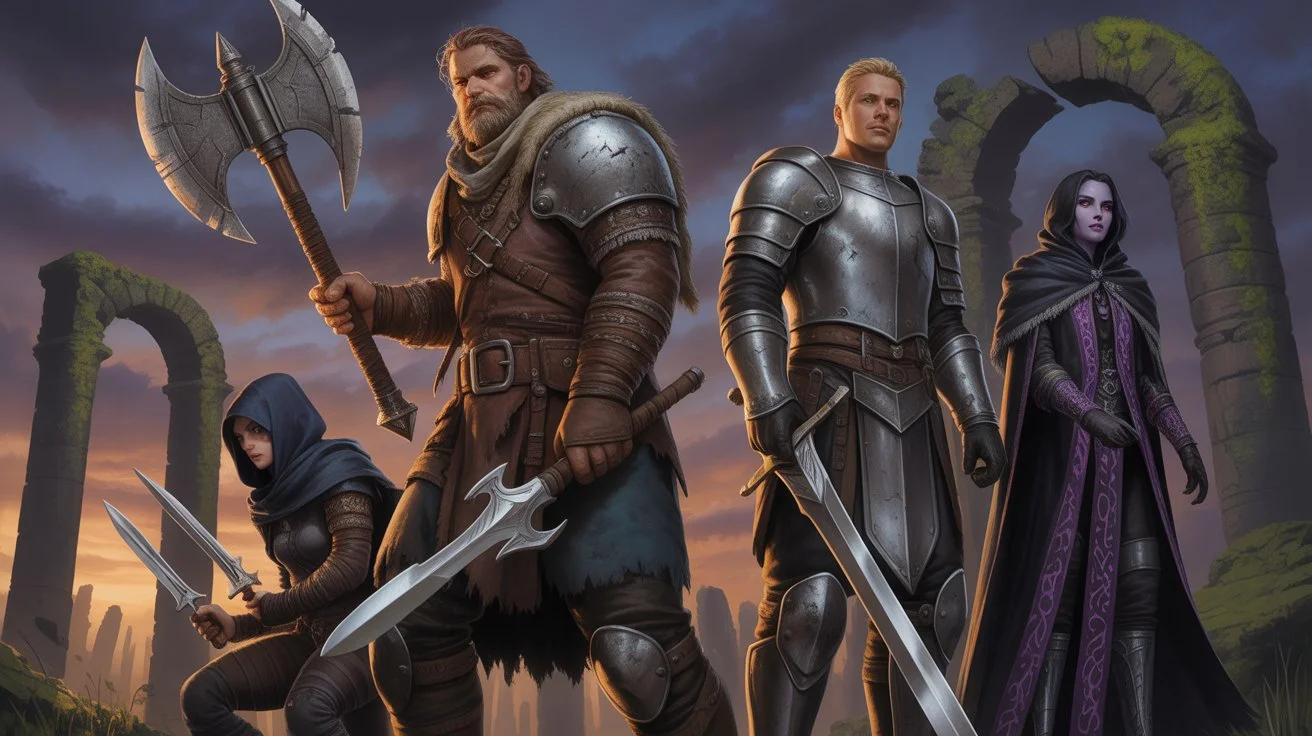
Think about names like Geralt, Aragorn, or Zevran. You probably didn’t need any context to get a rough feel for each of them. Geralt sounds weathered and serious. Aragorn carries something noble. Zevran has a slippery, quick energy. None of that is accidental. Here is the complete guide to naming a fantasy or RPG character.
Fantasy names do a job that regular names don’t have to. In the real world, a name is just what your parents wrote on a form. In a fantasy world, a name is often the first signal of who someone is — their culture, their class, sometimes even their fate. That’s partly what makes naming so difficult. You’re not just picking something that sounds cool. You’re picking something that has to fit a whole person.
Over the past several years, I’ve helped dozens of tabletop players and fantasy writers work through naming blocks — not as a professional linguist, but as someone who’s been stuck at the same table, staring at a blank character sheet with twenty minutes until game night. What I found, after watching enough people succeed and fail at naming, is that fantasy naming actually follows some loose patterns. Not strict rules, but patterns. Once you see them, the whole process gets considerably less frustrating.
This guide walks through those patterns — from what makes a name actually work, to how different character classes tend to carry different sounds, to what to do when you’re completely stuck and the session starts in twenty minutes.
Why Character Names Matter More Than You Think
There’s a reason you remember Smaug but can’t recall the name of the innkeeper from the same book. Names that actually work tend to fade into the story — at some point you stop seeing them as names and just start thinking of them as people. The ones that don’t work do the opposite. They stick out every single time they appear, like a splinter you keep catching on things.
This is especially true in RPGs and tabletop games. In a novel, the writer controls when and how a name appears. In a game, your character’s name gets said out loud, by multiple people, across potentially hundreds of hours. Something that looked fine during character creation can start feeling completely wrong by session four — particularly if people keep mispronouncing it, or quietly dropping it for a shorter version you never agreed to.
Writers deal with a different version of the same problem. Readers pick up on early signals about a character, and the name usually comes before anything else. A fierce warrior with a name that sounds delicate creates a small tension in the reader’s head — nothing they’d point to, but it’s there. A villain with an almost comedic name bleeds tension out of scenes that need it. These things are subtle but they add up over a whole story.
That said, none of this means you need something exotic or invented from scratch. Jon Snow is two completely ordinary words. Conan is four letters. What makes them work isn’t cleverness — it’s fit. The name matches the character, suits the world, and doesn’t fight against the tone of everything around it.
That’s genuinely all you’re going for. Not the most unusual name in the room. Just the one that belongs there.
The 5 Golden Rules of Fantasy Naming
Most naming advice you’ll find online reads like a checklist someone typed in fifteen minutes. Follow these steps. Avoid these mistakes. Done. The problem is that naming doesn’t work like a checklist — it’s more intuitive than that, and the best names usually come from understanding why certain things work, not just what to do.
These five patterns show up consistently in names that land well. None of them are absolute — there are exceptions to all of them — but if a name is giving you trouble, there’s a good chance it’s bumping against one of these.
Keep It Pronounceable
The fastest way to kill a name is to make it unreadable. Not unpronounceable in a foreign-language sense — in a nobody-in-the-room-wants-to-try sense. Once a name becomes awkward to say out loud, people quietly retire it. They’ll say “the wizard” or “your character” or just avoid the name entirely.
Smaug is one syllable. You read it and immediately know how it sounds. That kind of frictionless reading is harder to achieve than it looks, and it matters far more than most people expect — especially in tabletop settings where the name gets said aloud repeatedly across many sessions.
Match the Tone of Your World
Names carry emotional texture. They have hardness or softness, weight or lightness, and those qualities send signals to the person reading or hearing them. When those signals contradict the character, something feels slightly off — not wrong enough to name, but enough to create low-level friction throughout the story or campaign.
A brutal warrior with a gentle, lilting name creates that friction. So does a tender healer whose name is full of sharp consonants and hard stops. It’s not that those combinations can never work — sometimes the contrast is intentional and interesting — but it has to be a choice, not an accident.
Aim for One to Three Syllables
Longer names aren’t inherently worse, but they have to carry their own weight, and most of the time they don’t. The names that tend to stick — Gandalf, Sauron, Geralt, Conan, Draco — are short. Easy to say, easy to remember, and they still manage to feel like complete, distinct people.
If you find yourself drawn to something longer, say it out loud a few times mid-sentence. “We need to find Aetharionvael before nightfall.” If that slows you down while reading, it’ll slow everyone else down too. Longer names work best when they’re nicknames waiting to happen — something that naturally shortens to a usable version on its own.
Let the Name Mean Something
This one is genuinely optional, but it adds a layer that occasionally gets discovered and remembered for years. Darth Vader loosely translates to “Dark Father” in Dutch — which, depending on when you found that out, was either a minor trivia footnote or a quietly stunning piece of foreshadowing. The meaning wasn’t announced. It was just there, for whoever looked.
You don’t need a Latin dictionary and an etymology chart. Sometimes it’s as simple as choosing a name that feels like what the character represents — something that sounds like patience, or hunger, or grief, without spelling it out.
Say It Out Loud Before You Commit
This is the step almost everyone skips. You’ve been staring at the name on screen, moving letters around, and it looks fine. But looking fine and sounding fine are different things. Say it ten times at normal speed. Then say it the way it would actually come up — mid-sentence, in a moment of urgency. “Where did Vr’xann go?” If your tongue trips on it, fix it now. You’ll be saying this name for potentially hundreds of hours.
How to Name Your Character Based on Their Class
Here’s something that took me longer than I’d like to admit to figure out — your character’s class already does half the naming work for you. Before you’ve typed a single letter, the class is already telling you how this person moves, what they’ve been through, and what kind of world shaped them. That points directly toward certain sounds and rhythms that tend to fit, and others that tend to fight.
None of this is a hard rule. Think of it as tuning your ear to what already works.
Warrior and Fighter Names
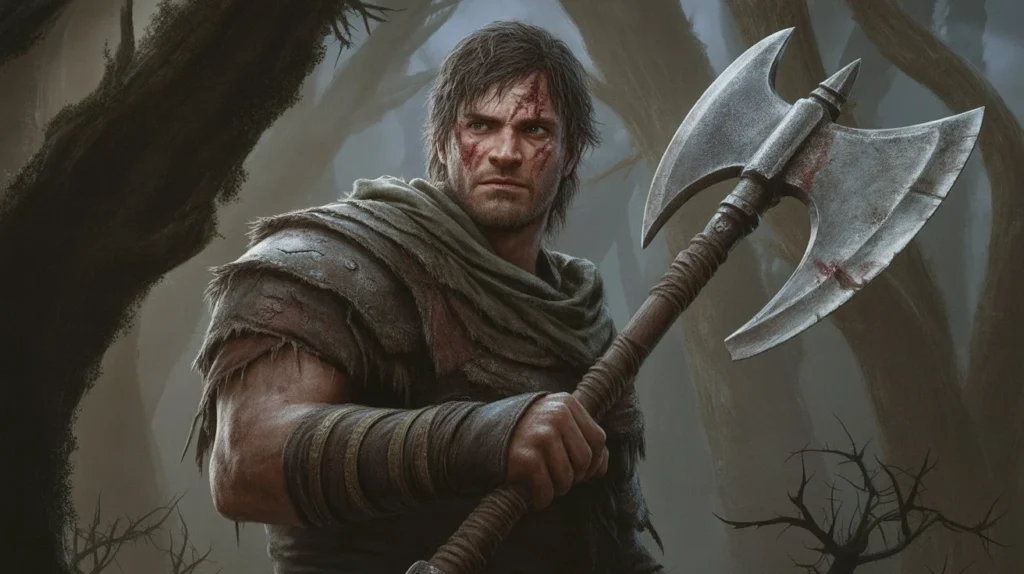
Warriors need names that feel like they’ve survived something. Hard consonants carry that — K, R, G, D. Krag, Dorn, Gorvan, Reth. Short, solid, no unnecessary decoration. The names that fall flat here are usually the ones that are too soft or too flowing — not because they’re bad names, but because they belong somewhere else. One or two syllables, hard ending, and you’re most of the way there.
Try this approach: Think of a warrior you already know from fiction or history. Shorten their name. Harden the ending. You’ll often land on something usable.
Try this approach with a warrior name generator
Rogue and Assassin Names
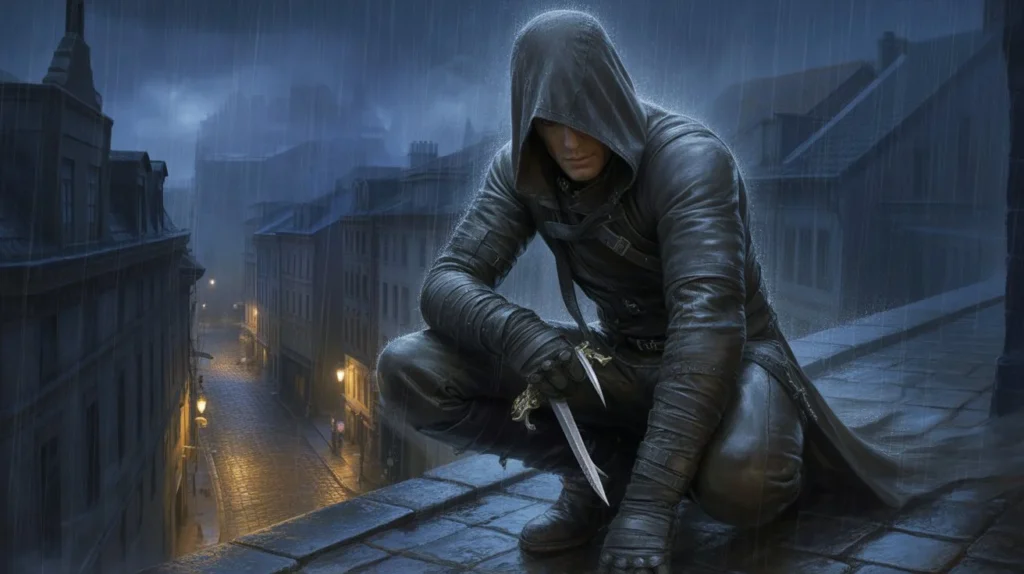
Rogue names should feel chosen, not given. Quick sounds — S, V, X — work well because they move fast and don’t linger. Vex, Sable, Krix. One name, no grand title, nothing that sounds inherited from a noble family.
The moment a rogue’s name feels too formal or too weighty, something about the character stops making sense.
Real example from my table: A player named his rogue “Cinder” — one syllable, slightly dangerous, easy to say mid-combat. By session three, everyone remembered it. That’s the goal.
A rogue name generator can help you find that one-name feel
Paladin and Holy Warrior Names
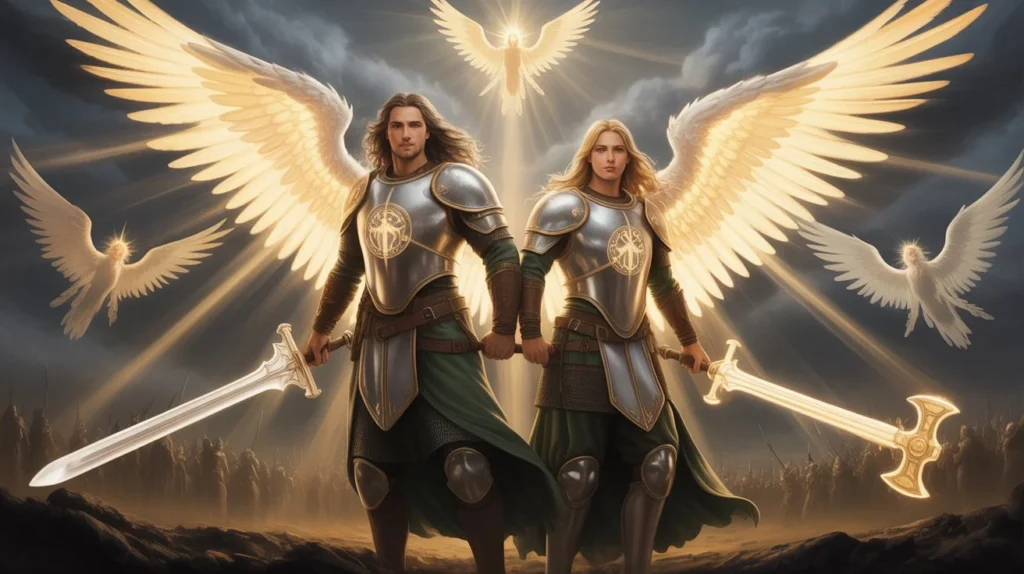
The challenge with Paladin names is avoiding both extremes — too stiff, and it sounds like a title, too casual, and it undercuts the class entirely. Latin and Old English roots tend to land in the right place: Aldric, Brennan, Seraphel, Caelan. Names that sound old enough to carry some meaning, but grounded enough to belong to an actual person. Browse Paladin name ideas here
Monk Names
Monks need softer sounds — flowing vowels, gentle consonants, nothing that feels combative. Shen, Tavari, Loran. The energy is calm and interior, and the name should reflect that. Hard stops and aggressive consonants work against everything the class is supposed to feel like.
Villain Names
Villains get a little more room. Dark vowels with hard endings tend to work well — Malachar, Voryn, Duskhar. The trap is overdoing it: too many syllables, too many apostrophes, and the name stops being menacing and starts being unreadable. The best villain names are the ones people say once and immediately remember. Clean but heavy. Generate villain names that land immediately
Naming by World and Culture
Class gets you halfway there. The world gets you the rest of the way.
The same name can feel completely right in one setting and slightly wrong in another, even if nothing about the name itself changed. The world has a texture, and names either share that texture or they don’t. When they don’t, readers and players feel it even if they can’t say why.
Medieval Fantasy
Old English and Latin roots do most of the heavy lifting here — Aldwyn, Brennus, Edric. They carry a sense of age without feeling constructed. They sound like names people actually lived with, in cold stone buildings, in worlds where history accumulated slowly.
Eastern-Inspired Worlds
Fewer hard consonants, more open vowels, names that don’t rush toward a sharp ending. The rhythm tends to be unhurried, which matches the kind of world these settings usually build — one where patience and philosophy matter as much as strength.
Dark, Gritty Worlds
Short names, harsh sounds, nothing decorative. These are settings where survival is the main occupation and the names reflect that. Nobody in a brutal low-fantasy world is walking around with four elegant syllables.
High Magic Worlds
You get the most room here. When the setting itself is already unusual, names can stretch further — longer, more layered, sounds that would feel out of place in a grounded world but land naturally when everything around them is extraordinary.
The single most useful thing across all of these: pick one sound pattern per culture and hold to it. George R.R. Martin did this deliberately with the Targaryens — every name uses “ae” and “y,” so by the third one you’ve met, you already recognise the fourth as one of them before anyone tells you. That consistency does more worldbuilding work than a paragraph of exposition.
3 Quick Methods When You’re Completely Stuck
Every writer and every player hits this wall at some point. The session is twenty minutes away, or the chapter has been sitting there waiting for one name that just won’t come. It’s not a creativity problem — it’s a tunnel vision problem. You’ve been circling the same space for too long and nothing new is coming in.
These three methods work because they pull you out of that loop.
Method 1 — Translate a Meaning
Before you think about sounds or syllables, decide what your character actually stands for at their core. Not their backstory or their build — just the thing they are. Stubborn. Hollow. Relentless. Grieving. Take that word and put it through Latin, Old Norse, or Welsh using a free online translator.
What comes back probably isn’t usable yet — but it’s close. Shave it down, shift a letter, adjust the ending until it stops reading like a translation and starts reading like a name. The meaning stays underneath it, invisible but there, and names built this way tend to feel more intentional than ones assembled purely from instinct.
Method 2 — Modify a Real Name
This sounds too easy, but it’s genuinely one of the most reliable methods there is. Pick any name — someone you know, something from a book, a name you half-remember from somewhere — and change one or two letters. John becomes Jorvyn. Elena becomes Elaene. Sarah becomes Sareth.
The original gives you a shape that already works as a name, and the adjustment is just enough distance to make it feel like it belongs to a different world. If you trace most fantasy names back far enough, this is exactly how they started.
Method 3 — Use a Generator as a Starting Point
The only wrong way to use a name generator is to take the first result and stop there. What a generator actually gives you is a starting position — a sound, a shape, something to react to. From there you adjust. Change the ending, drop a syllable, blend two results together until one of them clicks. The generator solves the blank page. Everything after that is still yours.
Practical tip: Use any free fantasy name generator online. Generate five names. Take the one syllable you like from the first, the ending from the third, and mash them together. That method alone has saved more stalled character sheets than any other trick.
Mistakes to Avoid When Naming Fantasy Characters
Most naming mistakes don’t announce themselves. They just quietly create friction — a name that keeps pulling people out of the story, or one that nobody at the table will say out loud after the first session. These are the patterns that show up most often.
Apostrophes That Serve No Purpose
Xz’r’thaal is not a name. It’s what happens when someone mistakes punctuation for personality. The apostrophes are meant to signal something ancient or alien, but what they actually do is make the name unreadable
Nobody says it, nobody writes it in notes, and within a few sessions it gets quietly replaced by “the rogue” or whatever the class is. If you want a name to feel genuinely foreign or old, unusual vowel combinations do that job without making the name impossible to use.
Names That Don’t Fit the World
A brutal warlord named Biscuit is a comedy character whether you intended that or not. Tone mismatches like this create a small crack in immersion every single time the name appears — not enough to break everything, but enough to remind people they’re reading a story rather than living in one. The world you’ve built has an atmosphere. Names are part of that atmosphere.
Copying Famous Names Too Closely
Drawing on names you admire is completely normal — most naming instincts come from internalising what’s worked before. The line gets crossed when the borrowing is too direct. Aragorn becoming Aragorm. Gandalf becomes Gendalf. Readers catch these immediately, and when they do, it pulls them straight out of your world and into someone else’s.
Starting Every Name With the Same Letter
Kara, Keld, Korvyn, and Kalleth will get mixed up — by your readers, by your players, and eventually by you. It costs almost nothing to vary opening sounds deliberately, and it prevents a surprising amount of confusion down the line.
Overthinking It
This one quietly costs more time than all the others combined. The longer the search for the perfect name goes on, the more the work stalls — and meanwhile nothing gets written or played. A decent name that exists is more useful than a perfect name that doesn’t. Get something close, move forward, and adjust later if you need to.
Wrapping Up
Three hours on a single name — and that was a regular occurrence for me, not a bad day. I’d go in circles, talk myself into something, then back out of it, and eventually just pick whatever felt least wrong. The problem was never too few options. It was not knowing what I was actually listening for
You start paying close attention to why certain names work, and slowly the decisions get easier. Geralt. Sauron. Conan. None of those are accidents. Once you start hearing what makes them fit, you can apply the same ear to your own characters — and what used to take hours starts taking minutes.
Does it match the class? Does it suit the world? Can you say it out loud without stumbling? That’s the whole system, honestly.
One last thing before you go: Every name you don’t write down is a name you’ll forget. Keep a simple note on your phone — “possible names” — and add to it whenever you hear or think of something interesting. You’ll thank yourself next time you’re staring at a blank character sheet with twenty minutes left on the clock.