
Introduction
You know that feeling when you’re building a fantasy world, and everything’s clicking—your magic system makes sense, your characters have depth, the plot’s coming together—and then you need to name a country and your brain just… stops? Yeah, me too. I’ve spent entire evenings staring at my laptop, typing “Dragonland” and immediately deleting it because come on, that’s awful. That’s why I created a fantasy country name generator.
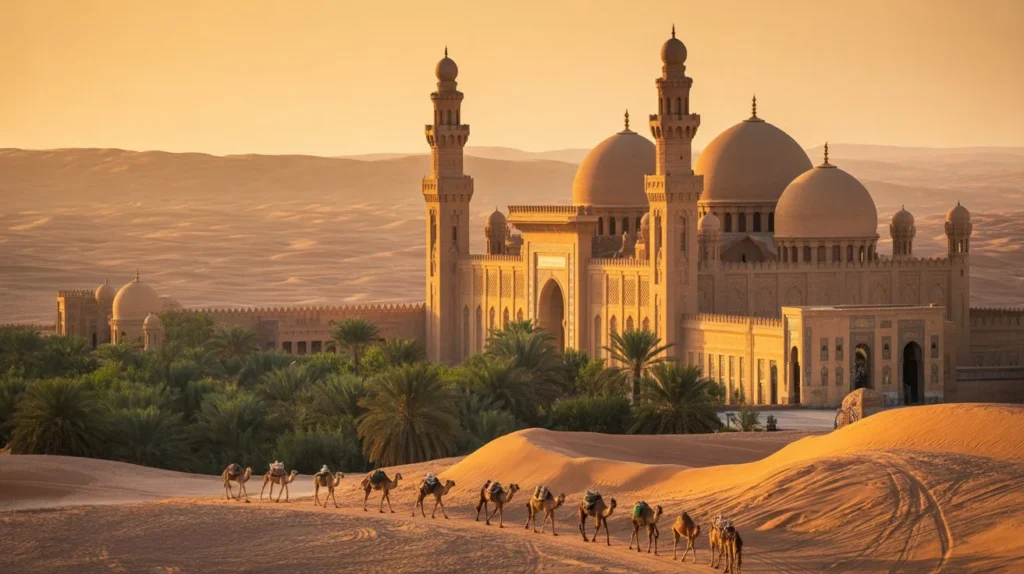
Last month, I was helping a friend with her D&D campaign, and she’d built this incredible desert empire with complex trade routes and political intrigue. Beautiful worldbuilding. But she’d been calling it “Sandy Place” in her notes for three weeks because she couldn’t settle on a real name. We’ve all been there, right?
The frustrating part is that country names actually do serious heavy lifting in your story. When readers encounter “Westeros” for the first time, they don’t just see a word—they feel something. It sounds western, it sounds harsh, it sounds like a place where winter might kill you. That’s before Martin writes a single sentence describing it.
Whether you’re racing to finish your novel, prepping tomorrow’s gaming session, or just daydreaming about that medieval country name for your epic fantasy trilogy, you need names that sound like actual places instead of placeholders you forgot to replace. Perfect for traditional high fantasy where warrior kingdoms expect familiar elements mixed with magic.
These names evoke castles, knights, and paladin orders.
I built this generator because I was tired of browsing baby name websites at midnight, hoping to find inspiration. (Pro tip: that doesn’t work. You end up with kingdoms named “Sophia” and “Liam.”) You pick some options, click a button, and suddenly you’ve got real possibilities instead of “The Magic Kingdom” scribbled in your notebook margins.
How to Use the Fantasy Country Name Generator
Let me walk you through this without overcomplicating things, because honestly, it’s pretty straightforward.
1: Pick your theme first.
You’ve got eleven flavors: Elven, Dwarven, Dark Kingdom, Magical Realm, Desert Empire, Nordic, Asian-inspired, Island Nation, Jungle Territory, Steampunk, and Pirate Isles. Each one completely changes the vibe. Writing about dwarves mining in mountains? That theme gives you solid, chunky names that sound like they were hammered out of granite. Creating forest-dwelling mystics? Elven names flow like water or music.
2: Choose your length.
Short names (2-4 letters) punch hard—think “Ur” or “Oz”—but sometimes feel incomplete. Long names (8+ letters) sound impressive but might lose readers. I usually go medium (5-7 letters) because it’s memorable without being a tongue-twister. But hey, don’t stress this part. Generate five batches if you need to
3: Layer in cultural flavor.
This is where it gets fun. You can add European, Middle Eastern, African, East Asian, South Asian, Native American, or Oceanic influences. This isn’t stereotyping—it’s giving your names linguistic roots. When readers encounter phonetic patterns they vaguely recognize, even completely fake places feel grounded in reality.
4: Match the terrain.
. Mountains, forests, deserts, underground caverns, and coastal regions—geography shapes naming. A kingdom carved into mountain peaks shouldn’t sound like a tropical archipelago unless you’ve got one hell of a backstory. The generator weaves terrain elements in automatically.
5: Add details if you want.
There’s an optional box where you can describe stuff like “ancient desert empire ruled by merchant princes” or “dark underground elven city.” Get specific, and the results get targeted. Or leave it blank for pure random country name chaos—both work great.
6: Generate and explore.
You’ll get five unique options, each coming with meaning, origin info, and special features. Every result has a copy button because who wants to type “Aeloria of the Eternal Dawn” five times? Don’t love them? Generate again. I usually cycle through three or four batches before something makes me go “YES.”
There’s also a searchable database below with hundreds of pre-made names. Sometimes I’m more in a browsing mood than a generating mood. Use whatever fits your creative headspace.
Why Country Names Matter More Than You’d Think
I used to think country names were just labels. Slap something vaguely fantasy-sounding on your map and move on, right? Then I tried to reread a book where the author had named every kingdom starting with “Z”—Zarthon, Zeldrik, Zanmore, Zephyria. I kept mixing them up. The plot was good, but I couldn’t keep track of who was fighting whom.
Bad names shatter immersion. Your plot can be genius, your characters complex, but if your kingdom is called “Magicplace,” readers mentally check out. I’ve done it as a reader, and I’ve accidentally done it as a writer. (We don’t talk about the first draft where I had a kingdom called “Stoneland.” Not my finest hour.)
Good names do worldbuilding work for you. Martin picked “Westeros” for solid reasons—it’s in the west, it echoes “Western,” and it naturally creates “westerosi” for the people. That’s three pieces of context packed into eight letters. He didn’t need a paragraph explaining geography; the name did it.
Tolkien understood this on another level entirely. “Middle-earth” sounds humble and unassuming, right? But it positions everything spatially. There’s something above, something below, and this is the in-between place where mortals live and struggle. That’s sophisticated worldbuilding compressed into a compound word.
Video games nail this constantly. “Skyrim” makes you think of snowy mountains before you’ve seen one screenshot. “Azeroth” sounds ancient and mysterious, as if it has existed for ten thousand years. These work because they tap into sound patterns our brains instinctively respond to.
Real geography gives us a blueprint we can steal. Iceland? Named after ice. Indonesia? “Indian islands.” Montenegro? Literally “black mountain.” Your fantasy nations can follow identical logic. Kingdom built around iron mines? “Ironforge” makes instinctive sense. Empire famous for magic schools? “Mystoria” tells that story before you write a word.
Then there’s pure sound, which matters way more than people realize. Say “Narnia” out loud. Gentle, right? Almost whimsical? Now say “Mordor.” Harsh, grinding, threatening. Lewis and Tolkien both knew that sound creates emotional response before meaning ever enters the picture.
Actually Creating Unique Country Names That Work
So you want to know how to create unique country name options that don’t sound recycled from every fantasy novel ever written? Let me share what I’ve figured out through lots of trial and tons of error.
Think Like You’re Building with LEGO
Compound words are your secret weapon. English does this constantly—”butterfly,” “moonlight,” “thunderstorm”—we can use the same trick with fantasy flavor. Grab two meaningful chunks and stick them together. Silver + mere (old word for lake) becomes Silvermere. Storm + reach gives you Stormreach. Thorn + wick makes Thornwick. Feels natural, right?
Suffixes work like instant credibility. Seriously, stick “-ia” on almost anything and boom, it sounds like a country: Mystoria, Aeloria, Valoria. Other reliable endings: “-land” (Wildland), “-heim” (Frostheim), “-mar” (Drakmar), “-dor” (very Tolkien), “-oth” (sounds ancient and slightly ominous).
Prefixes set cultural tone immediately. Elven names start soft—”Ae,” “El,” “Sil.” Dwarven names hit harder—”Khaz,” “Dur,” “Mor.” Dark kingdoms go ominous—”Necro,” “Um,” “Dra.” Pick a pattern for each culture and stick with it religiously.
Make Names Tell Tiny Stories
The names I remember always mean something beyond sounding cool. “Neverwinter” raises immediate questions—why doesn’t winter come there? What’s preventing it? “Baldur’s Gate” references a god and a gateway, suggesting religious importance plus major trade route. That’s worldbuilding compressed into two words.
Historical events baked into names add depth without explanation. Kingdom founded on volcanic ruins? “Ashenvale” or “Emberfall” tells that story. Nation born from revolution? “Freehaven” or “Liberty’s March” communicates it instantly.
Mistakes That’ll Bite You Hard
Pronunciation nightmares destroy good names. I’ve seen “Xtzprhklm” and similar disasters. If you stumble pronouncing it, your readers will skip over it every time. Say every name out loud three times minimum before committing. Stumble? Change it.
Inconsistency breaks worlds. If one region has flowing names like “Aeloria,” the neighbor shouldn’t be “Grthnak” unless there’s a massive cultural divide you’re planning to explain. Readers notice jarring shifts even if they can’t articulate why.
Alliteration traps are real. Starting everything with the same letter seems fun—Kalador, Kendrick, Karithon—but gets boring fast and makes everything blur together. Mix up your opening sounds.
Cultural respect matters. Draw inspiration from real cultures? Absolutely. Directly lift sacred names you haven’t researched? That’s lazy and disrespectful, and readers will call you out. Research thoroughly, modify respectfully.
Name Ideas Organized by What You’re Actually Writing
The generator sorts names into categories matching different story needs.
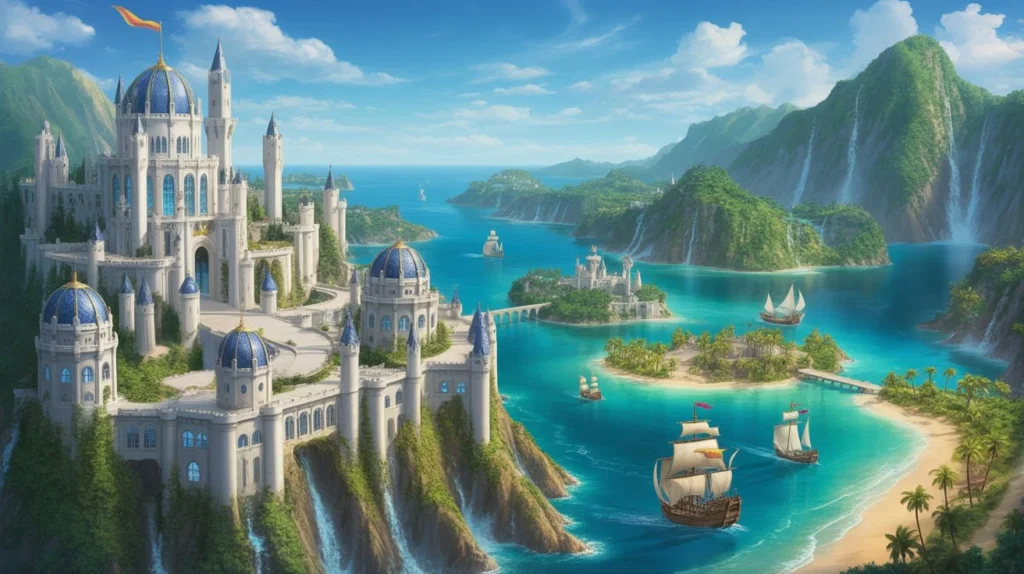
Medieval Kingdoms: Valorian, Eldrath, Thornwick—these evoke castles and knights. Perfect for traditional high fantasy where readers expect familiar elements mixed with magic.
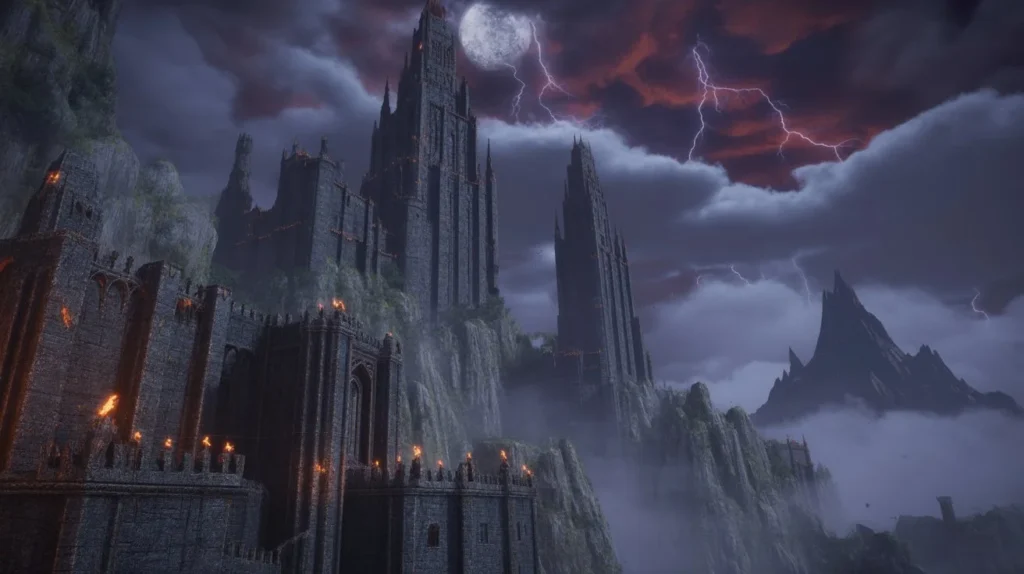
Dark Kingdoms: Shadowfen, Drakmar, Obsidian—signal danger before your story starts. Great for antagonist nations or morally complex empires. Great for antagonist nations or villainous empires.
Elemental Nations: Fire countries like Emberfall suit volcanic regions. Water kingdoms like Silvermere fit coastal empires. Earth realms like Stonegate match mountain territories. Air kingdoms like Skyreach belong to floating cities.
Cultural Variations: Nordic names (Frostheim) suit frozen wastelands. Asian-inspired options work for magic country name concepts. Desert empires need heat—Sandshore, Sunspire. Island nations and rogue nations sound different—Tidemark, Saltwind.
Terrain-Specific: Mountain kingdoms (Highpeak) sound defensive. Forest realms (Wildwood) feel organic. Underground domains (Deepdelve) sound enclosed. Coastal territories (Harbormark) suggest openness and trade. Magical Realms: Mystoria, Arcanium, Spellweave—communicate that magic is a normal reality there. Perfect for high-magic settings. Perfect for high-magic settings and fairy realms.
Building Worlds That Actually Connect
Creating one isolated fake country name is easy. Building a world where everything connects historically and linguistically? That’s where it gets interesting.
Language families matter deeply. If “Eldrath” exists in your north, nearby nations might be “Eldmere” or “Eldwick”—sharing that “Eld-” prefix suggests common ancestry or centuries of cultural exchange. Romance languages all share Latin roots. Your fantasy languages should show similar patterns.
Languages evolve naturally over time. A parent empire called “Valorian” might spawn colonies now independent, called “Valora” or “Valantis.” This shows linguistic drift across time and distance. English from 1000 CE is unintelligible now. Your fictional languages should demonstrate similar evolution.
The government shapes names fundamentally. Kingdoms use personal names—”Aldor’s Reach” (King Aldor founded it). Republics favor collectives—”United Provinces of Silvershore.” Empires go grandiose—”Eternal Empire of Sunspire.” The structure tells readers about political organization immediately.
Geography creates natural patterns. Neighboring countries with related names suggest shared roots. “Northmarch,” “Southmarch,” “Eastmarch” clustered together? Readers correctly assume these were provinces of a collapsed empire.
Different Creators Need Different Things
Fiction writers need consistency above everything. Readers see country names hundreds of times across novels. Names must be memorable without annoying. Keep detailed notes—I once called the same kingdom two names halfway through a manuscript. Embarrassing.
Game developers face scalability challenges. Strategy games need fifty nations with distinct names. Generate systematically using consistent cultural rules to prevent repetition.
Tabletop masters live under time pressure. Players sail to an unplanned continent? You need three kingdom names now, not next session. Quick generation keeps gameplay flowing.
Screenwriters need audio clarity over everything. “Valorian” versus “Valerian” look different but sound identical when spoken. Always test names out loud before finalizing scripts. Design a unique visual symbol for your kingdom using our Free Ambigram Generator — create stunning word art for your world’s crest or banner.
Frequently Asked Questions
How do I make fantasy names sound authentic?
Stick to consistent patterns throughout your world. If northern kingdoms use harsh consonants, maintain that. Study real language families and use the generator’s cultural influence options for authentic-sounding frameworks.
What’s the difference between kingdom, empire, and nation names?
Kingdoms use personal or geographical names (King’s Landing, Riverlands). Empires emphasize grandeur (Eternal Empire). Nations show collective identity (Republic of Silvershores). Each signals different political structures.
Can I use these names commercially?
Yes. These are algorithmic combinations of common elements—not copyrighted. Just verify your choice doesn’t match existing trademarked properties with a quick search.
Should country names match inhabitants’ language?
Ideally yes. If elves speak a flowing language, their homeland shouldn’t have harsh names—unless there’s a historical reason like conquest. Consistency reinforces logic.
How many countries does my fantasy world need?
Depends on your story’s scope. Focused novels need 3-5 major nations. Epic series need more. Start with what your narrative requires, expand as needed.
What makes names memorable?
Balance familiarity with novelty. “Azeroth” sounds substantial but pronounceable. Avoid excessive length (over 10 letters) and bizarre combinations. If friends can’t repeat it after hearing it once, it’s too complex.
Start Building Your World Today
Whether you need a modern country name for urban fantasy or traditional designations for epic adventures, the right name transforms abstract concepts into places readers believe in and care about.
This generator removes blank-page paralysis while keeping creative control firmly yours. The mix of algorithmic generation with curated databases offers both spontaneous inspiration and reliable structure. From Elven forests to volcanic wastelands, from maritime republics to mountain kingdoms—every memorable realm started with someone creating a name that felt right.
Experiment with customization options. Mix themes and cultural influences until something clicks. Modify whatever the generator produces—the best results come from combining suggestions with your creative instincts. Browse the database for quick inspiration or customize deeply for specific needs.
Your fantasy world is waiting right now. Those kingdoms won’t name themselves, and honestly, the naming part is half the fun of worldbuilding anyway. Generate options, say them out loud,