
Native American Name Generator
Discover authentic names from our collection of 2,000+ Native American names
| Name | Meaning | Tribe | Type | Gender |
|---|
Introduction
You know what’s crazy? I was at this powwow in Oklahoma a few years back, talking to this elderly Cherokee man who went by three different names throughout his life. Started as “Fast Runner” as a kid, became “Quiet Storm” after his military service, and now everyone calls him “Old Bear” since he became a tribal elder. Blew my mind that names could actually evolve with you.
That got me digging into indigenous naming traditions, and man, it’s made me wonder why the hell we stick kids with whatever pops into our heads at the hospital. These cultures figured out something we missed – people change, so why shouldn’t their names? “If you’re exploring meaningful names from different cultures, check out our complete name generator collection to discover naming traditions from around the world. For those drawn to mystical and enchanting names, our fairy name generator offers magical options inspired by folklore and fantasy realms.
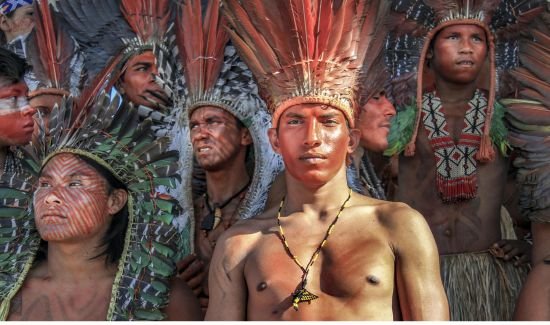
How to Use This Native American Name Generator (It’s Dead Simple)
Look, I’ve used a lot of name generators that felt like operating a space shuttle. This one? You could probably figure it out half-asleep. But let me walk you through it anyway, because there are some cool features you might miss.
Step 1: Tell Us Your Name (Or Don’t)
See that “Your Name” box at the top? That’s totally optional. Some people like entering their actual name to feel more connected to the generated names. Others leave it blank. Either way works fine – the generator doesn’t actually use it for anything except maybe making you feel more involved in the process.
Honestly, I usually put random stuff in there. Last time I used it, I typed “Pizza Lover” just to see what would happen. Spoiler: nothing special, but it made me smile.
Step 2: Pick Your Name Type
This is where things get interesting. You’ve got six options:
Any Type – Just give me anything cool. Perfect when you’re browsing and not sure what you want. This pulls from the entire collection of names, so you’ll get a nice mix of everything.
Warrior – Names that sound like they could lead armies or survive anything nature throws at them. Think “Desperate Warrior” or “Guardian of the People.” These carry weight and authority. Great for characters who need to project strength or if you’re just feeling particularly badass today.
Nature-Inspired – My personal favorite. These names connect directly to the natural world – rivers, mountains, storms, seasons. Names like “Dewdrops,” “Shadow,” or “Clear Water.” If you’re into environmentalism or just miss being outdoors, these hit different.
Spiritual – Names tied to mystical experiences, dreams, visions, or sacred concepts. “Spirit Warrior” or “Lucky” fall into this category. These work great if you’re writing fantasy or exploring deeper philosophical themes.
Animal-Inspired – Exactly what it sounds like. Eagles, bears, wolves, even rabbits and sparrows. Native Americans saw themselves as part of the animal world, not separate from it. These names capture that connection. Perfect if you’ve got a spirit animal or just really love wildlife.
Tribe-Specific – Want authenticity? This filters names by specific tribal traditions. Each tribe developed unique naming patterns based on their environment and culture. Cherokee names feel different from Apache names, which feel different from Lakota names. It’s like choosing between Italian, Japanese, and Mexican cuisine – all food, completely different vibes. Looking for something different? If you want names with modern flair and unique styling, try our stylish name generator for creative alternatives with contemporary appeal.
Step 3: Choose Your Gender
Pretty straightforward:
- Male – Traditionally masculine names with their historical cultural context
- Female – Traditionally feminine names from various tribal traditions
- Unisex – Names that work for anyone, regardless of gender
Here’s the thing though – these gender categories reflect historical tribal traditions, not modern gender politics. Many tribes actually had more fluid concepts of gender than European colonizers did. So take these categories with historical context in mind.
Step 4: How Many Names Do You Want?
You can generate anywhere from 1 to 20 names at once. Here’s my recommendation based on what you’re doing:
1-3 names: You know exactly what you need. Maybe naming one character or looking for your own personal name.
5 names (default): Sweet spot for most people. Gives you variety without being overwhelming.
10-15 names: You’re doing serious research, building a whole cast of characters, or just love browsing.
20 names: You’re either writing an epic with dozens of characters, building a fantasy world, or you’ve got decision paralysis and need ALL THE OPTIONS.
Pro tip: If you don’t like what you get, just hit generate again. The system tracks what it’s already shown you and gives you fresh options each time (until it runs through the whole database, then it starts over).
Step 5: Hit That Generate Button
Big blue button. Can’t miss it. Click it and watch the magic happen.
What You’ll See
Each generated name shows up in its own card with three pieces of info:
The Name Itself – Big and bold at the top, exactly as it would be written and used
Tribal Origin & Type – Where this name comes from and what category it falls into. Useful for understanding context.
The Meaning – This is the good stuff. Every name tells a story. “Falcon” means you’re sharp and fast. “Eternal Blossom” means your beauty doesn’t fade. These meanings were chosen carefully by parents who wanted their kids to embody these qualities.
The Name Table Below
Scroll down past the generator and you’ll find this massive table with all the names in our database. Currently showing 20 popular names (and we’re constantly adding more).
Use this when you want to:
- Browse everything available
- Compare names side by side
- See patterns in tribal naming traditions
- Find something specific you remember seeing before
The pagination buttons let you flip through pages without scrolling forever. Twenty names per page keeps things manageable.
Actually Using Your Generated Names
Found something you love? Here’s what people typically do:
For Creative Writing: Screenshot the results or copy them into your notes. Most writers generate 10-20 names, pick their favorites, then come back later to generate more as they need them.
For Gaming Characters: Generate until something feels right for your character’s backstory and personality. RPG players especially love matching names to character builds.
For Personal Connection: Some people generate names as a meditation or spiritual practice, seeing which name resonates with them emotionally.
For Research: Teachers and students use this to understand naming patterns across different tribes and regions.
Pro Tips from Someone Who’s Used This Way Too Much
- Don’t Just Pick the Coolest Sounding Name – Read the meanings. A name that sounds awesome might mean something that doesn’t fit your character at all.
- Match Names to Personality – If your character is quiet and thoughtful, “Desperate Warrior” probably isn’t the move. Go for something like “Shadow” or “Cloud.”
- Consider the Tribal Origin – If you’re being historically accurate, make sure your character’s tribal background matches their name’s origin.
- Generate Multiple Times – Your perfect name might be hiding in batch number three or four. Don’t settle on the first round.
- Mix and Match Criteria – Try different combinations. Female warrior names feel completely different from female nature names.
- Use the “Any Type” Option – Sometimes the best finds come when you’re not looking for anything specific.
Common Mistakes to Avoid
- Picking Names Just Because They Sound Cool – I get it, “Thunderhawk” sounds incredibly badass. But if it doesn’t match your character or purpose, it’s just noise.
- Ignoring the Meaning – The meaning IS the name in Native American tradition. Ignoring it misses the entire point.
- Mixing Tribal Traditions Randomly – Don’t give your Apache character a Cherokee name because you liked it better. That’s like giving your Italian character a Japanese name because “it sounds exotic.”
- Not Pronouncing Names Correctly – If you’re going to use these names, learn to say them properly. There’s a pronunciation guide in the content for the most popular names.
Why Native American Names Actually Mean Something
Most of us got stuck with names because they sounded good to sleep-deprived parents or honored some distant relative we never met. Native American naming? Completely different ball game. These names had to earn their place – they described real things about real people.
I’ll never forget this story, a Lakota friend told me about his great-uncle “Singing Thunder.” Apparently, the guy was born during this massive thunderstorm, but instead of crying like most babies, he made these weird melodic sounds that somehow harmonized with the thunder. Family took it as a sign he’d bring music and power together. Guy ended up being both a medicine man and one of the best traditional singers anyone could remember.
See what I mean? These weren’t just labels – they were predictions, hopes, and connections to something bigger.
Living Close to the Land Changes Everything
When your survival depends on reading weather patterns and knowing which berries won’t kill you, you start noticing details most people miss. Native American parents were basically nature experts, and that shows up everywhere in their naming.
This Ojibwe guy I work with, Danny, put it perfectly: “My grandfather was ‘Thunder Elk’ not because someone thought it sounded cool, but because elk were everything – food, clothing, tools. And thunder? That’s what brings the rain that makes everything grow. That name was saying ‘this kid’s gonna be strong and bring abundance to everyone around him.'”
Makes our modern naming look pretty shallow, doesn’t it? Instead of naming your kid after a celebrity or because it’s trending on social media, imagine giving them a name that connects them to forces that have shaped life on earth for millions of years.
Dreams and Visions Weren’t Weird – They Were Intel
Here’s where things get wild. Lots of Native American names came from dreams, spiritual experiences, or straight-up mystical stuff that happened around a kid’s birth. And before you roll your eyes thinking “primitive superstition,” remember these communities survived and thrived for thousands of years using this wisdom.
Met this Hopi woman at a cultural center in Arizona – her great-grandmother was called “Water Finder” because three different tribal elders had the same dream about her before she was born. All saw a young girl discovering hidden springs during drought. Turned out she had this incredible ability to locate water sources, which literally saved her community during several dry spells.
Coincidence? Maybe. But when you’re dealing with life-or-death decisions in harsh environments, you pay attention to any edge you can get. These weren’t just pretty stories – they were survival strategies wrapped in spiritual understanding.
Where You Live Shapes How You Name
This is gonna sound nerdy, but I actually made this map once showing how tribal locations match up with naming patterns. Took forever, but the results were mind-blowing.
Plains tribes? Living with buffalo everywhere and grass that goes on forever – their names feel like they’re moving, like you can hear hoofbeats in them. Meanwhile, forest tribes who knew every damn tree and creek by name created these names that sound like whispers through branches.
And don’t get me started on desert tribes. When water’s literally life or death, you get names that are tough as nails. Coastal folks with their salmon runs and those massive trees? Their names have this completely different rhythm – like ocean waves and forest wind. Researching names for a cultural project? Our Free Word Cloud Generator helps you visualize key themes and meanings from your research notes instantly.”
Names That Actually Tell You Something About Someone
Look, I’m not trying to bash modern naming, but come on. Most of us are walking around with names that mean absolutely nothing about who we actually are. Sarah? Pretty name, but tells you zero about the person. Native American names? They’re like little biographies.
Men and women had different naming patterns, sure, but don’t think it was all “men get warrior names, women get flower names.” Way more complex than that. Both carried serious weight and expectations.
Guy Names That Meant Business
Traditional male names usually pointed to what made someone valuable to their tribe – hunting skills, keeping peace between groups, spiritual insight, or just being someone people trusted when things got tough.
Names That Pack a Punch:
- Takoda (Sioux) – “Friend to Everyone” – Perfect for guys who could smooth over disputes
- Chayton (Sioux) – “Falcon” – Sharp reflexes and missing nothing
- Kitchi (Algonquian) – “Brave” – Straight to the point, no BS
- Makya (Hopi) – “Eagle Hunter” – Skill plus knowing when to strike
- Tadewi (Omaha) – “Wind” – Can’t tie this guy down to anything
- Wapi (Sioux) – “Lucky” – Sometimes luck beats skill every time
- Yahto (Sioux) – “Blue” – Deep thinker, quiet type
Every single one was basically a job description and personality forecast rolled into one word.
Female Names That Weren’t Messing Around
Don’t let all the nature references fool you – these names carried serious power. Women in most Native tribes weren’t sitting around looking pretty. They often held massive influence and made decisions that affected entire communities.
Names That Meant Something:
- Aiyana (Cherokee) – “Eternal Blossom” – Beauty that doesn’t quit or fade
- Nayeli (Navajo) – “I Love You” – Seriously, how do you top that?
- Tala (Native American) – “Wolf” – Pack loyalty and smart as hell
- Winona (Sioux) – “Firstborn Daughter” – Special position with real responsibility
- Kachina (Hopi) – “Sacred Dancer” – Spiritual artist and community connector
- Nizhoni (Navajo) – “Beautiful” – Inside and outside, the whole package
- Lomasi (Hopi) – “Pretty Flower” – Grace plus unlimited potential to grow
These weren’t cute little labels. They were setting expectations for leadership, wisdom, and strength that would shape entire communities.
Each Tribe Had Its Own Style
Spent way too much time studying tribal naming differences, but it’s fascinating stuff. After a while, you can almost guess where a name comes from just by how it feels.
Cherokee Names
Those southeastern forests created names that flow like water over rocks. Cherokee folks lived with seasons that actually mattered – miss the signs and you don’t eat. Names like Sequoia weren’t just honoring big trees. They’re talking about strength that lasts centuries, roots that go deep, and standing tall through whatever storms come.
Lakota Names
Great Plains life was all about movement, sky that never ends, and buffalo herds that looked like moving mountains. Lakota names have this rhythm to them – like drumbeats or horse hooves hitting earth. You can almost feel the wind and grass in names that came from that life.
Apache Names
Desert doesn’t give you second chances. Apache names are tough because Apache life was tough. Every name reflects skills that kept people alive – reading weather, finding water, knowing which plants heal and which ones kill. No room for pretty words when survival’s on the line.
Navajo Names
Balance is everything to Navajo people – four directions, seasonal harmony, how everything connects to everything else. Master weavers and farmers who understood patterns most of us can’t even see. Their names reflect that sophisticated understanding of how life all fits together.
Using These Names Without Being a Jerk
Okay, real talk time. Can you use Native American names for creative projects? Yes. Should you do it carelessly? Absolutely not.
I’ve seen too many writers slap indigenous names on characters while perpetuating every harmful stereotype in the book. Don’t be that person.
First: Forget every Western movie you’ve ever seen. Native American characters need to be as complex, flawed, and real as any other character. No mystical wise elders speaking only in metaphors, no “noble savage” nonsense, no one-dimensional anything.
Second: Match names to cultures properly. Don’t stick a Cherokee name on a Plains Indian character because you liked how it sounded. Each tribe has distinct traditions. Mixing them randomly shows you didn’t bother learning about what you’re borrowing.
Third: Get feedback from actual Native American people. Many authors work with sensitivity readers now. It’s the difference between respectful representation and offensive caricature. Have questions about cultural sensitivity or need personalized guidance? Contact us – we’re here to help ensure your use of indigenous names is respectful and appropriate.
Pronunciation Matters More Than You Think
If you’re going to use these names, learn to say them correctly. Butchering pronunciation because you couldn’t spend five minutes learning shows disrespect for entire cultures. You should have good knowledge of Native American Languages.
| Name | Meaning | Tribe | Pronunciation | Gender |
| Aiyana | Eternal Blossom | Cherokee | eye-YAH-nah | Female |
| Takoda | Friend to Everyone | Sioux | tah-KO-dah | Male |
| Nayeli | I Love You | Navajo | nah-YEH-lee | Female |
| Chayton | Falcon | Sioux | CHAY-ton | Male |
| Winona | Firstborn Daughter | Sioux | wi-NO-nah | Female |
| Kitchi | Brave | Algonquian | KIT-chee | Male |
| Kachina | Sacred Dancer | Hopi | kah-CHEE-nah | Female |
| Makya | Eagle Hunter | Hopi | MAH-kyah | Male |
Practice until it feels natural. These names deserve better than being mangled.
Questions People Always Ask Me
Are these actual names or made-up fantasy stuff?
These are completely legitimate names from documented tribal traditions. I’ve spent years researching historical records, linguistic studies, and cultural documentation. But using them appropriately means understanding their cultural context and significance.
Is it okay to use these for book characters?
Yes, if you do it thoughtfully. Research the tribal background thoroughly. Make your characters complex and authentic. Avoid harmful stereotypes. Many successful authors incorporate Native American names respectfully – study how they do it. Building a diverse cast of characters? Our medieval name generator can help you create authentic European names for historical fiction, while our paladin name generator is perfect for fantasy warriors and holy knights in your story.
Why do tribal names sound so different?
Because different tribes developed as completely separate cultures! Plains tribes following buffalo herds created different naming traditions than forest peoples tracking deer migrations. It’s like asking why Irish names sound different from Chinese names.
How can I pronounce these correctly?
Practice with phonetic guides and find native speaker recordings when possible. Many Native American languages include sounds that don’t exist in English, making perfect pronunciation challenging. But the effort shows respect.
Can I name my baby with a Native American name?
This depends heavily on your background. If you have indigenous heritage, traditional names can beautifully honor your ancestry. If you don’t, think carefully about cultural appropriation versus appreciation. Research thoroughly and consider consulting with people from relevant communities.
.Are some names too sacred to use?
Absolutely. Some names carry sacred significance making them inappropriate for outsiders. When uncertain, stick to commonly used names or consult indigenous cultural experts who can guide you away from sacred territory
Final Thoughts from Someone Who Cares About This Stuff
This Native American name generator connects you with thousands of years of accumulated wisdom and cultural knowledge. Every name represents parents’ hopes, spiritual beliefs, and deep connections to the natural world that sustained entire communities through incredible challenges.
These aren’t just exotic names to make your characters sound interesting. They come from living cultures with real people who still honor these traditions today. Approaching them with genuine respect and curiosity honors the remarkable heritage they represent.
Whether you’re developing characters, exploring family history, or learning about different worldviews, understanding the stories behind these names makes everything more meaningful. Each name links you to ancestors who survived devastating hardships, preserved their cultures through systematic persecution, and passed down wisdom that remains relevant today. Let’s start creating the best names for you.
Use the generator above to discover your Native American name, but remember the respect and understanding that should come with it.