🦹 Villain Name Generator
Create the perfect villainous identity for your dark characters
Enter a keyword to influence the generated villain names
Create the perfect villainous identity for your dark characters
Every great story needs a memorable antagonist, and honestly? Nothing defines a villain quite like their name. Think about it – would Darth Vader send chills down your spine if he was called “Bob Jenkins”? Probably not. Whether you’re writing a dark fantasy novel, sketching out a comic book supervillain, or creating an evil character for your next D&D session, the right name separates forgettable bad guys from legendary antagonists that people remember years later.
Here’s the thing, though – coming up with that perfect villainous identity isn’t nearly as easy as it sounds. So many writers burn entire afternoons staring at blank pages, desperately trying to capture pure malevolence in a handful of syllables. It’s genuinely frustrating, especially when you’ve got this fully-formed character living in your head but can’t find the right name to match their energy.
That’s exactly why we built this ultimate villain name generator. With over 500 names in our database, genre filters you can mix and match however you want, and actual meanings behind every single suggestion, you’ll finally stop spinning your wheels. This guide walks you through everything – how to squeeze the most value from the tool, what makes certain names work way better than others, and tons of examples you can either use straight-up or tweak to fit your vision.
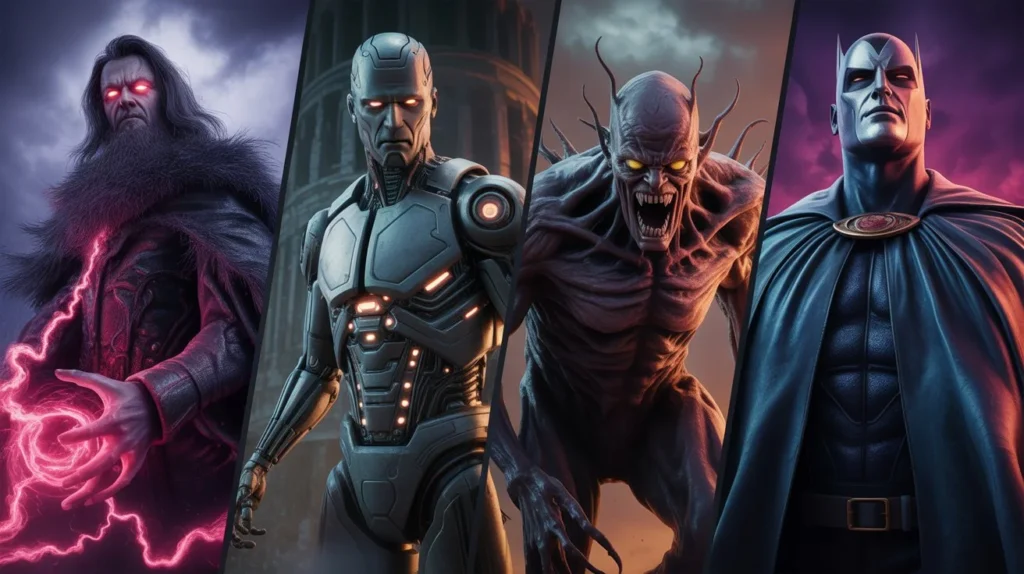
Don’t worry — it’s super straightforward even if you’ve never touched a character naming tool before. Here’s how it works.
See that text box at the top? Type in literally anything related to your character’s whole vibe. Maybe they’ve got fire powers – throw in “flame” or “ash.” Perhaps they’re all about shadows and stealth – try “dark” or “night.” You could go with personality traits too, like “venom” for someone toxic or “chaos” for an unpredictably dangerous type. The tool uses whatever you enter, but leaving it blank works fine if you want pure randomness. Sometimes the best names pop up when you’re not even trying.
Pretty straightforward here. The generator pulls from different naming traditions depending on what you select. Male villain names tend to hit harder with aggressive consonants and harsher sounds, while female options often blend elegance with menace. Still figuring out your character? Go with “any” and see what speaks to you – sometimes a name you weren’t expecting completely changes how you see the character.
Here’s where the real magic happens:
You can check multiple boxes here. Want a sci-fi horror villain? Go for it. A funny dark fantasy character? Why not! The combinations are honestly pretty endless.
Click it and boom – five unique names appear instantly. Each one comes with what it means and which genres it fits. Don’t love what you’re seeing? Just click again. It’s oddly satisfying and pretty addictive once you start. It’s oddly satisfying and pretty addictive once you start.
Found something that makes you go “ooh, that’s perfect”? Click that star icon. All your favorites get saved in one spot so you can compare them later. There’s also a copy button that grabs the name for you – super handy when you’re jumping between apps.
Scroll down past the villain name generator, and you’ll see the top 20 names from our full database organized by gender. Sometimes browsing beats generating. It’s like walking through a library versus searching the catalog – different experience, but you often stumble onto exactly what you need.
The best villain names aren’t random at all — they follow patterns, even when writers swear they just came up with it without thinking.
Phonetics matter way more than most people realize. Sharp sounds – those K’s, X’s, Z’s, hard C’s – just sound inherently aggressive. Say “Korvus” out loud, then say “Steven.” Feel that difference? The first one has actual teeth. That’s not an accident.
Length plays into this too. Two or three syllables hit that sweet spot between interesting and memorable. Nobody’s going to recall a seven-syllable monstrosity unless they write it down, and even then they’ll probably shorten it. Keep it punchy.
This is where good writers separate themselves from great ones. The absolute best villain names carry layers you might not catch at first. When J.K. Rowling built “Voldemort” from French words meaning “flight from death,” she wasn’t just being clever – she was adding depth that enriched the entire character. People still discuss that choice decades later.
That’s why every name in our generator comes with its meaning right there. “Malrik Vane” doesn’t just sound cool – knowing it means “Dark strategist of twisted schemes” tells you something about how this character operates. “Crimson Reaper” meaning “harvester of blood and souls” paints a different picture than “Shadowheart” which means “core of pure darkness.”
Your villain name needs to make sense in whatever world you’re building. A name like “Cyber-Morgoth 3000” would be ridiculous in a medieval fantasy setting, right? Same way “Sir Reginald of Thornwood” feels wrong in a gritty cyberpunk thriller. That consistency keeps readers immersed instead of yanked out going “wait, what?”
Also – and this might sound weird – think about how the name looks written on the page. Some letter combinations just look visually cool. A bit of creative spelling makes something stand out, though you don’t want to go so wild that readers can’t figure out pronunciation.
Sometimes you just need solid options fast. Here’s a collection straight from our database, sorted so you can jump to whatever fits your project.
These work perfectly for evil sorcerers, dark lords, and corrupted warriors:
These names combine beauty with deadly threat, perfect for sorceresses and assassins:
Looking for stealthy, shadowy characters? Check out our rogue name generator for names perfect for thieves and assassins who operate in the darkness.”
Perfect for caped antagonists with dramatic powers:
Names designed to create genuine unease:
Futuristic names with technological edge:
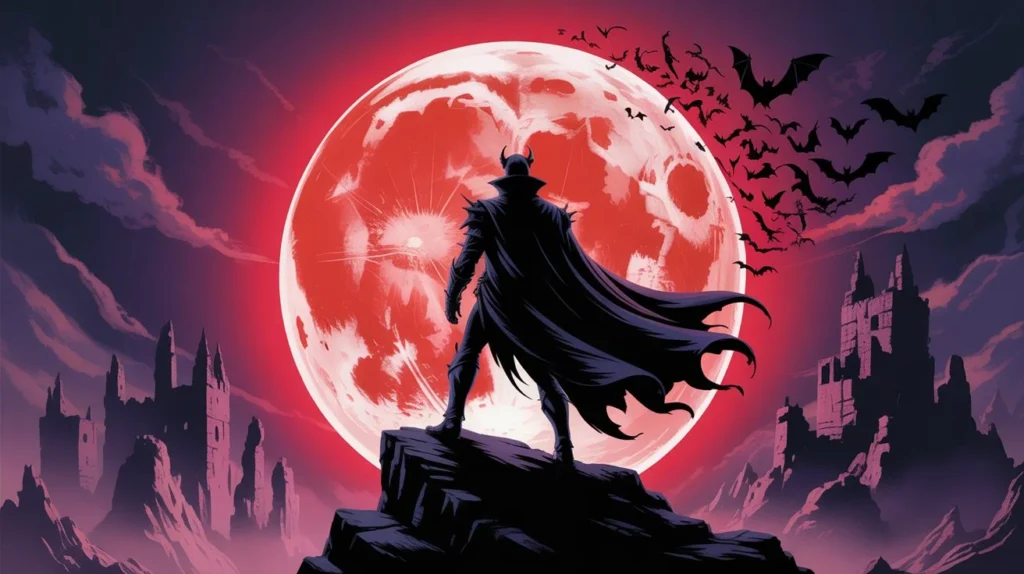
Look, Villain name generators are fantastic tools, but understanding how naming actually works lets you create something totally original when inspiration strikes.
One trick that works surprisingly well? Pair something gentle with something harsh. “Bloodrose” really shouldn’t work when you think about it, but it does because roses are delicate while blood represents violence. That tension makes people uncomfortable in exactly the right way. “Thornheart” and “Shadowlace” use this same principle.
This technique is killer for female villains who weaponize beauty, or for antagonists with tragic backstories where their name hints at the good person they used to be.
Villain names have building blocks you can snap together like LEGO:
Front Parts: Dark-, Shadow-, Night-, Blood-, Grim-, Death-, Venom-, Void-, Storm-, Black-
End Parts: -bane, -fang, -heart, -claw, -storm, -reaper, -shade, -thorn
Just mash them together. Shadow + Wing = Shadowwing. Blood + Storm = Bloodstorm. Sometimes the simplest approach works best when you’re stuck.
Ancient cultures had gods and demons dedicated to death, chaos, and destruction. Greek mythology alone gives you dozens of options. Norse, Native American, Celtic, Egyptian, Japanese – they’ve all got dark figures whose names sound authentic because they are authentic.
Latin works great too. “Tenebris” (darkness), “mors” (death), “umbra” (shadow) – these can be modified or combined. Just make sure you’re being respectful and actually researching meanings instead of throwing random syllables together.
If your character controls fire, work in “flame,” “ash,” “ember,” or “inferno.” Ice-based powers? Try “frost,” “winter,” “chill,” or “freeze.” Poison-based villains fit naturally with “venom,” “toxic,” or “blight.”
This gives readers instant information about threats while keeping that menacing edge. It’s efficient storytelling through smart naming that hints at abilities without being obvious.
Here’s a curveball – sometimes the most unsettling villain names sound almost regular. “Professor Malice” or “Doctor Venom” maintain that realistic feel while clearly signaling danger. This works especially well in psychological thrillers where completely fantastical names would feel jarring.
Say the name several times. Whisper it. Shout it. Does it flow smoothly or do you stumble over syllables? If you trip over pronouncing it, readers will struggle too. Get feedback from friends – if three people mispronounce it three different ways, you’ve got a problem.
Even experienced writers with published books mess this up sometimes. Knowing what to avoid saves you from cringe-worthy choices.
Making It Too Complicated: “Xzyrthalon’khazzarath” might look impressively evil when you write it, but good luck getting anyone to remember it. Pronounceable beats complicated every time.
Leaning Too Hard on Clichés: “Dark Lord” plus anything has been done to death. Same with “Shadow Master” or “Death King.” These feel lazy unless you add something genuinely fresh.
Ignoring Cultural Sensitivity: Be thoughtful about borrowing from real religions and cultures. A little research prevents accidentally using something sacred inappropriately. When in doubt, modify the spelling or invent something inspired by rather than lifted from cultural sources.
Forgetting Character Growth: If your villain started as a hero before their fall, maybe their original name contrasts with their evil title. These layers reward readers who pay attention.
The medium you’re writing for shapes naming choices more than you’d think. What works for a D&D character might fall flat in a screenplay.
Fantasy lets you go wild since you’re building entire cultures from scratch. But keep consistency – members of the same race or region should follow similar patterns. When you’re creating a D&D character as your campaign’s main antagonist, think about how their species, class, and alignment influence naming. A tiefling warlock needs a different name than a human paladin who’s fallen from grace.
Supervillain names in comics often use “The [Something]” patterns – The Joker, The Penguin. Or they use dramatic titles like Doctor, Professor, Captain before their villain name. These need to work in dialogue and look good in word balloons. Bold choices fit the medium’s larger-than-life style where characters wear capes and fight on rooftops.
Players need to remember these names after dozens of gameplay hours. Make them distinctive but not so complex that quest logs can’t display them properly. Boss character names benefit from being short and punchy – think how “Sephiroth” or “Ganon” became instantly recognizable.
Actors need to deliver these names convincingly on camera. Audiences hear them spoken aloud, not reading silently, so pronunciation clarity becomes critical. Test how your choice sounds whispered in fear, shouted in anger, or spoken casually. What looks cool on paper might sound ridiculous when actually spoken.
What makes this villain name generator different from dozens of others floating around? It’s genuinely built with customization at its core. Most generic generators just spit out random combinations without real thought. Ours actually considers what you’re trying to create.
The genre filters aren’t just decoration – they fundamentally change the output. Select “Horror” and you’ll get names that sound genuinely unsettling. Pick “Anime” for that unique aesthetic perfect for manga-inspired projects. The “Funny” option generates lighter, comedic evil names for projects where your antagonist is meant to entertain rather than terrify.
The keyword system adds another personalization layer. Type in your character’s core trait or main power, and watch how it influences suggestions. It’s like having a writing partner who understands what you’re going for instead of throwing random syllables at you.
Let’s examine what made certain antagonists completely unforgettable, because understanding these principles helps us create stronger characters.
Darth Vader works on multiple levels. “Darth” sounds foreign and imposing. “Vader” comes from German and Dutch words meaning “father,” which brilliantly foreshadows the character’s true identity. Those hard consonants create aggressive sounds, and the two-syllable surname sticks in memory effortlessly.
Voldemort translates roughly from French as “flight from death,” perfectly reflecting the character’s desperate quest for immortality. The added mystique of “He Who Must Not Be Named” made the villain even more terrifying – fear of the actual name itself became a plot point.
Maleficent draws from Latin roots meaning “evil-doing.” It sounds elegant and sophisticated, matching the character’s regal appearance while clearly signaling her malevolent nature. This balance between beauty and menace makes it absolutely perfect.
These legendary examples share traits worth copying: meaningful origins, clear pronunciation, appropriate length, and sounds matching the character’s essence.
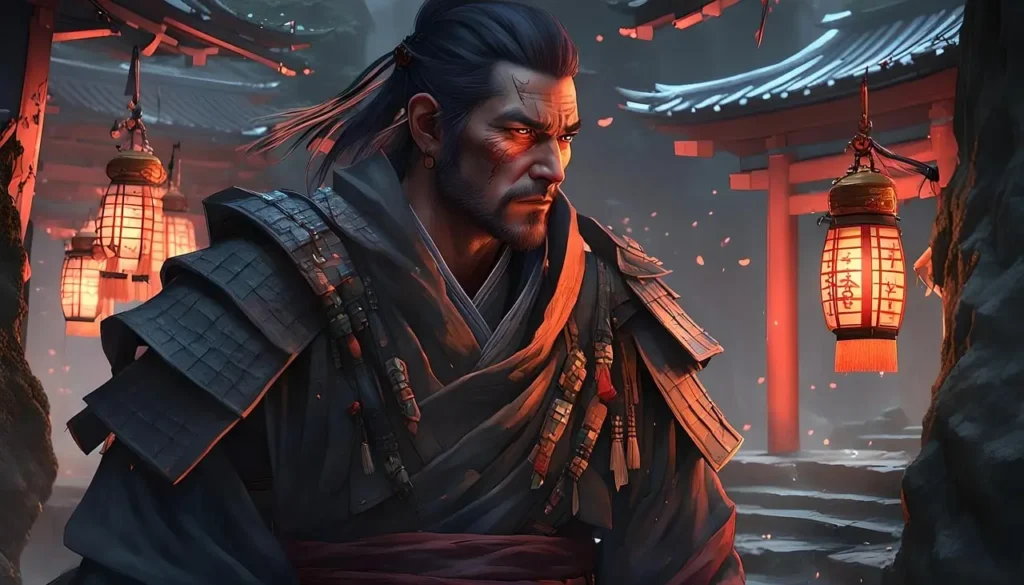
It pulls from our database of 500+ carefully curated names and uses your selected filters to narrow results. Pick your genre and gender preferences, maybe add keywords, and the algorithm matches those criteria to generate five unique suggestions at once. Each comes with a meaning that adds genuine depth to your evil character creation process.
Names themselves can’t be copyrighted, only trademarked in specific situations. Everything this generator produces is yours to use freely in novels, games, screenplays, whatever you’re working on. If you’re building something massive and commercial though, searching trademark databases first is smart to avoid conflicts.
Strong villain names balance being memorable with being sayable. They should trigger appropriate feelings – fear, unease, power, dread – while fitting naturally into your genre and tone. The best names hint at character nature without being super obvious. Think about backstory, powers, and narrative role when deciding between options. A name for a psychological thriller won’t necessarily work for a fantasy epic.
Most writers find their match within 20-30 generations. Create some options, favorite the best ones, generate more, then compare everything side by side. Having 5-10 strong options lets you evaluate which truly captures your character’s essence. Sometimes you need to walk away and come back with fresh eyes before the right choice clicks.
Absolutely! Think of these as creative starting points rather than rigid rules. Adjust spelling however you want, mash together pieces from multiple suggestions, or use them for inspiration. The whole point is sparking creativity and breaking through those frustrating blocks all writers face, not providing rigid formulas you’re locked into.
Definitely. Horror villains need totally different names than comic book supervillains. Masterminds, monsters, fallen heroes, corrupt leaders – each archetype requires distinct strategies. Our genre filters help significantly, but really understanding your specific villain type refines choices further.
If your chosen name resembles a famous villain, consider how similar they really are. Names can share words while remaining distinct – “Shadow” appears in countless antagonist names without confusion. However, if the similarity is very close (especially in the same genre), generate alternatives. Small modifications often resolve the issue while keeping the name’s essence.
Test it with these questions: Can readers pronounce it easily? Does it evoke the right emotional response? Does it fit your story’s world? Would it work in dialogue when characters say it? Share your top choices with beta readers and note their reactions. If people consistently struggle with pronunciation or find it forgettable, keep searching.
Creating compelling antagonists involves way more than picking cool-sounding names, but a powerful name gives you that foundation everything else builds on. When readers first encounter “Malrik Vane” or “Morgayne Ashthorn” on the page, they immediately form impressions about these characters. Your naming choice shapes their entire perception before you’ve even described what the character looks like.
This online villain name generator offers more than random suggestions thrown together. With 500+ carefully crafted options, extensive customization through filters that actually matter, and detailed meanings for everything, it’s designed to be a real creative partner. Whether you’re polishing your tenth novel or sketching your first short story, having the right tools makes everything smoother. Make your villain’s name visually unforgettable with our Free Ambigram Generator — create a mysterious design that reveals a hidden meaning when flipped upside down.
The perfect name often shows up when you least expect it. You might generate dozens of options, save ten favorites, then suddenly realize the ideal choice was in your third batch all along. Trust the process, experiment with different keyword and filter combinations, and don’t settle until you find a name that makes you genuinely excited to write your villain’s scenes.
Start generating right now and discover that perfect name you’ve been searching for. Your readers are waiting to meet the unforgettable antagonist you’re about to create.