
Ultimate Warrior Name Generator
Forge your legendary warrior identity
| Name | Meaning | Gender | Culture | Action |
|---|
Introduction
Let’s be honest — naming warriors is way harder than it looks. I still remember staring at a blank page for hours, completely stuck on one name.
The real problem? I kept second-guessing myself.
“Does Thorgar sound too much like Thor?”
“Is Bloodfist too over the top?”
“What if someone’s already used this name somewhere?”
It was pure creative paralysis. Something as simple as a name shouldn’t derail an entire writing session — but it does.
Then came the lightbulb moment. I realized real warriors throughout history didn’t just pick random names because they “sounded cool.” Those names carried meaning, lineage, and expectations. A Viking named Ragnar wasn’t just some guy with a badass title — his name literally meant “warrior of the gods.”
That realization changed everything.
It’s why I spent two full years building this Warrior Name Generator — not because I love coding (I really don’t), but because writers, gamers, and creators deserve more than the random word mashers scattered all over the internet. Whether you’re crafting your next Conan, coming up with a fierce Warrior Cat name, building a DnD fighter, or even looking for a funny Orc nickname — this tool gets it right.
How the Ultimate Warrior Name Generator Actually Works
Most name generators out there just smash random syllables together and call it a day. This one isn’t built that way. Every part of it came from real research, trial, and storytelling experience.
Here’s the system that finally worked — refined through years of creative headaches and late-night testing.
Step 1: Pick Your Cultural Foundation
Start by choosing the warrior culture that best fits your world. This isn’t decoration; it’s the backbone of the name. Each tradition carries its own beliefs, rhythm, and weight. Each warrior culture has distinct naming patterns rooted in language and tradition.”
- Norse names bring to mind icy landscapes, destiny, and unbreakable will.
- Roman names suit organized societies, structure, and pride.
- Celtic names connect deeply with nature, myth, and ancient power.
Once you find the right cultural anchor, the rest of the name naturally takes shape.
Step 2: Define Your Warrior’s Soul
Every fighter has something that fuels them — a quality that defines how they stand in battle or story. That’s what your theme should capture:
- Strength: For protectors who hold their ground and carry others when no one else can.
- Wisdom: For thinkers who win through patience, planning, and insight.
- Bravery: For the ones who charge ahead when everyone else hesitates.
- Ferocity: For those whose very presence demands respect and fear.
- Nobility: For leaders who fight for ideals larger than themselves.
The right theme shapes not only how a name sounds but how it feels when spoken aloud.
Step 3: Generate and Reality-Check
Press the button and you’ll get several authentic name options, each with real cultural meaning. But don’t rush. Read them slowly, say them out loud, and picture your character behind them.
Ask yourself: Does this sound like someone who belongs in my world?
Often, the third or fourth suggestion turns out to be the one that truly fits.
The Messy Truth About How This Started
Let’s be real — most name generators out there are total junk. They spit out things like “Zandros the Bloodripper” and expect you to be impressed. But when you try to use that name in a story or game, it sounds ridiculous, has no clear origin, and feels completely fake.
My breaking point came back in 2019. My editor didn’t outright laugh at my character names (editors are too polite for that), but her feedback said it all:
“The names lacked any real cultural grounding”.
Translation: “These sound like you made them up in five minutes.”
And she was right — I had.
So I did what any obsessive writer would do — I went way overboard fixing it. I buried myself in research about medieval and ancient naming traditions for months — cross-referencing historical texts, linguistics resources, and cultural archives.
The 7 Warrior Cultures: Norse, Celtic, Samurai & More”
After falling down a historical rabbit hole, I noticed seven warrior traditions appeared again and again — cultures whose naming systems still inspire awe and authenticity today.
1. Norse Warriors
The Norse believed names shaped destiny. When they named a child Bjorn, it wasn’t for fun — it meant “bear,” a symbol of power and endurance. Astrid meant “divine strength.” Every name carried a weight of expectation and purpose.
2. Celtic Warriors
Celtic fighters connected deeply to their lands, myths, and spiritual world. Cú Chulainn translates to “hound of Ulster,” symbolizing divine protection and mythical might. Celtic women also bore strong names like Maeve (“the intoxicating”), showing how power was respected regardless of gender.
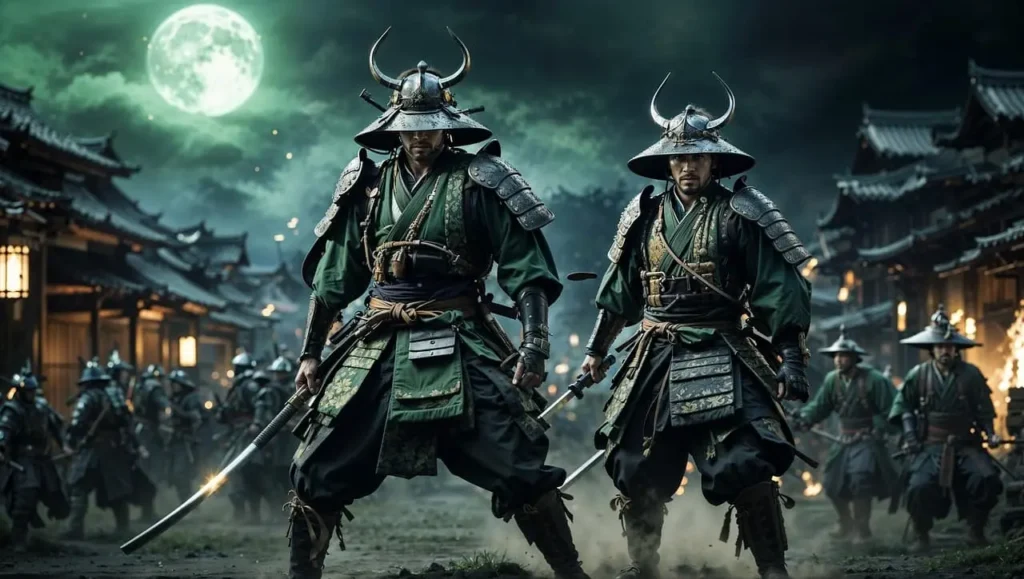
3. Samurai Warriors
In Japan, naming was a philosophy. Names like Takeshi weren’t just words — they reflected a person’s honor, duty, and life purpose. Every syllable mattered. The disciplined naming philosophy of samurai warriors shares similarities with monastic traditions across cultures.
4. Roman Warriors
Romans basically invented personal branding long before LinkedIn existed. Their three-part names captured family heritage, achievements, and status — all at once. Efficient and brilliant.
5. Spartan Warriors
Spartans mastered psychological warfare. Names like Leonidas (“lion’s son”) intimidated enemies before the first sword was even drawn. They understood that reputation starts with what people hear.
6. Viking Raiders
Viking names had to sound powerful and be easy to shout across stormy seas. Try yelling “Thorvaldsson” on a ship — not easy. “Ulf”? Perfect. Simplicity and strength won battles before they began.
7. Barbarian Tribes
The so-called “barbarians” understood the value of directness. Names like Gorak or Drogan didn’t need embellishment. They were blunt, fierce, and impossible to forget.
While these seven cultures form the foundation of legendary warrior names, many other traditions offer equally powerful naming systems. Explore our Native American Name Generator to discover names rooted in spiritual connection and ancestral wisdom.”
My Beta Testing Horror Stories
When I started testing early versions of the generator with D&D clubs and writing groups, I quickly learned just how delicate the balance was.
Version one nailed historical accuracy but gave me names nobody could pronounce. Players spent more time explaining their characters than actually playing.
Version two went the other way — simple and pronounceable, but completely random. “Bob the Destroyer” might be funny, but it kills immersion fast.
The breakthrough came during one chaotic campaign when no one could remember the NPC names. That’s when it hit me — great names need three key things:
- Cultural authenticity (it should feel real)
- Emotional hook (it should sound powerful or intriguing)
- Practical usability (you should want to say it out loud)
Miss one, and the name falls flat.
After that, I became obsessed with language balance. Every name had to stay true to its culture while being easy for modern audiences to say. No one should need a linguistics degree just to enjoy their story or campaign.
War Stories from the Trenches
Published Novel Reality Check
In my fantasy series The Ironhold Chronicles, every major character name came from this exact system. My bland “Sir Marcus” became Valdric Oathkeeper — a single change that gave him depth, lineage, and a moral backbone.
At first, my editor worried those names might feel too unfamiliar. But readers loved them. They said the names made the world feel richer and more believable. That authenticity connected immediately — and the book’s reception proved it.
Gaming Table Transformations
A fighter who started as “Sword Lady” became Astrid the Unyielding — and suddenly the whole character had depth, purpose, and presence. Across D&D tables worldwide, players fill their games with names like Grimjaw Bonecrusher and Elena the Truthseeker.
Characters like these are recognized instantly, before a single dice roll. Whether you need a warrior, a cunning rogue, or a mystical character, the right name transforms gameplay.
Warrior Cat Name Adventures
This same system even works for warrior cats. A feline called Shadowpaw the Silent carries elegance, stealth, and strength — all traits that match real feline instincts. Whether you’re creating for a fantasy saga or a Warrior Cats story, these principles fit naturally.
Mistakes That Nearly Killed My Writing Career
The Random Culture Disaster
At one point, I mixed naming styles just to make things “interesting.” It didn’t work. Readers got confused, and the world lost its credibility. Now I only blend cultures when the story gives a solid reason — like trade cities, alliances, or mixed heritage.
The “Sounds Cool” Trap
Flashy names look great at first but fade fast. Zephyr Darkblade might catch attention, yet Marcus the Steadfast earns respect. Meaning always outlasts flash.
The Pronunciation Nightmare
If you can’t pronounce your own creation without stumbling, your audience won’t either. I learned this the hard way during a live reading. Ever since, every major name gets a spoken-aloud test before it reaches print.
The Growth Problem
Characters grow, and their names should too. Titles that evolve — like “Erik the Young” turning into “Erik Dragonsbane” — give stories a living pulse. Growth adds legacy.
Advanced Strategies I Wish Someone Had Taught Me
1. The Three-Layer Reality Check
A strong warrior name works on three levels:
- Surface: it gives an immediate impression.
- Cultural: it stays true to its roots.
- Personal: it reflects the soul of the character.
Before locking it in, I ask myself:
“Would I remember this after hearing it once?”
“Does it make me want to know more?”
“Could this name carry a legend?”
If it passes all three, it’s a keeper.
2. The Versatility Test
The best names fit anywhere — shouted across a battlefield, whispered in dialogue, or written on a tombstone. If it sounds forced in any of those moments, it needs refinement.
3. The Evolution Factor
Names should have space to change. Sometimes a teasing nickname grows into a badge of honor. That transformation mirrors character development and makes readers feel the passage of time.
Frequently Asked Questions About Warrior Names
How do you balance authenticity with accessibility?
It’s not about strict historical accuracy; it’s about emotional truth. A name should feel like it belongs, even if it bends history a bit
Why do some names stick while others fade?
The memorable ones blend something familiar with something unexpected. They sound grounded but spark curiosity — the perfect mix of comfort and mystery.
How do you know when you’ve found “the one”?
You feel it. Suddenly, everything about your character clicks — their motivation, their energy, even their dialogue. That’s when you stop searching.
Can these names work in published stories?
Definitely. Editors love names that feel researched and purposeful. Readers notice when a name has weight instead of cliché flair.
Do these methods apply to warrior cat names too?
Yes. Just shift the focus to feline instincts — stealth, grace, and territory. Names like Fireheart or Moonstrike hold the same warrior power in a different shape.
Final Thoughts: Forge a Name Worthy of Legends
A great warrior name isn’t just a tag — it’s a legacy waiting to unfold.
After years of experimentation, I’ve learned that a single name can set the tone for an entire world. It gives your character gravity and purpose from the first introduction.
Don’t settle for throwaway names that sound like everyone else’s. Create something that carries meaning, power, and story.
Because legends don’t start on the battlefield — they start with a name.